

Why Vilanculos Wildlife Sanctuary Is Ideal for Low-Impact Travel in 2026
Why Vilanculos Aligns With Modern Travel Priorities
Travel in 2026 is being reshaped by fatigue. Travelers are increasingly rejecting crowded destinations, rigid itineraries, and overbuilt resort zones in favor of places that feel quieter, more intentional, and environmentally grounded. The Vilanculos wildlife sanctuary aligns naturally with this shift, not because it has been rebranded, but because it has always operated at a different scale.
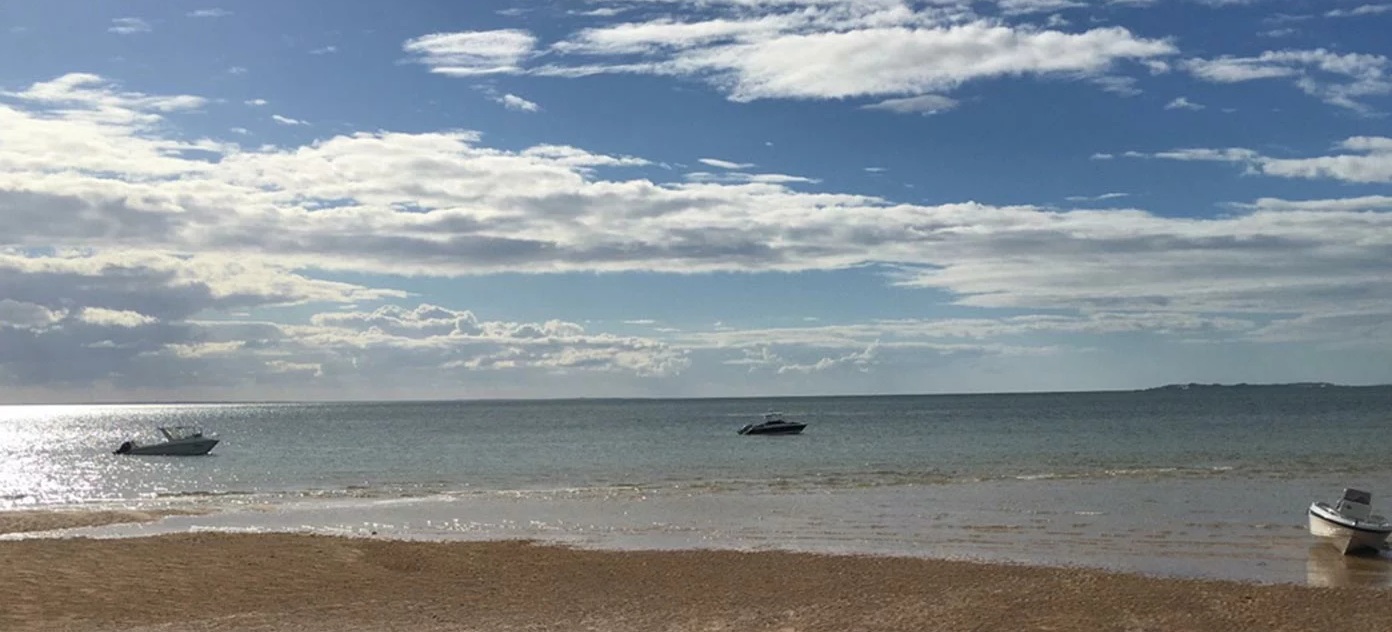
Located along a protected stretch of mainland coastline opposite the Bazaruto Archipelago, the sanctuary offers space, visual openness, and ecological continuity that are increasingly rare in beach destinations. Development is limited, human density is low, and the landscape remains the dominant feature rather than infrastructure.
For travelers who measure quality by calm, privacy, and authenticity, Vilanculos represents a form of travel that feels restorative rather than extractive. It is not designed to entertain constantly. Instead, it allows visitors to reconnect with natural rhythms, which is exactly what modern low-impact travelers are actively seeking.
Understanding Low-Impact Coastal Travel in Practice
Low-impact travel is often discussed in abstract terms, but in Vilanculos it is experienced in tangible ways. Beaches are not lined with hotels. Accommodation footprints are small. Activities are shaped by tides, seasons, and weather rather than fixed schedules. This reduces environmental pressure while creating a more organic travel experience.
Instead of tightly managed excursions, days unfold gradually. Guests walk long stretches of coastline without encountering crowds. Wildlife sightings happen naturally rather than on cue. Time becomes flexible rather than structured.
This approach does not mean sacrificing comfort. On the contrary, many travelers find that fewer options lead to deeper satisfaction. Low-impact coastal travel in Vilanculos prioritizes presence over productivity, which is why it resonates so strongly with experienced travelers and repeat visitors to Africa.
A Softer Safari Experience Along the Coast
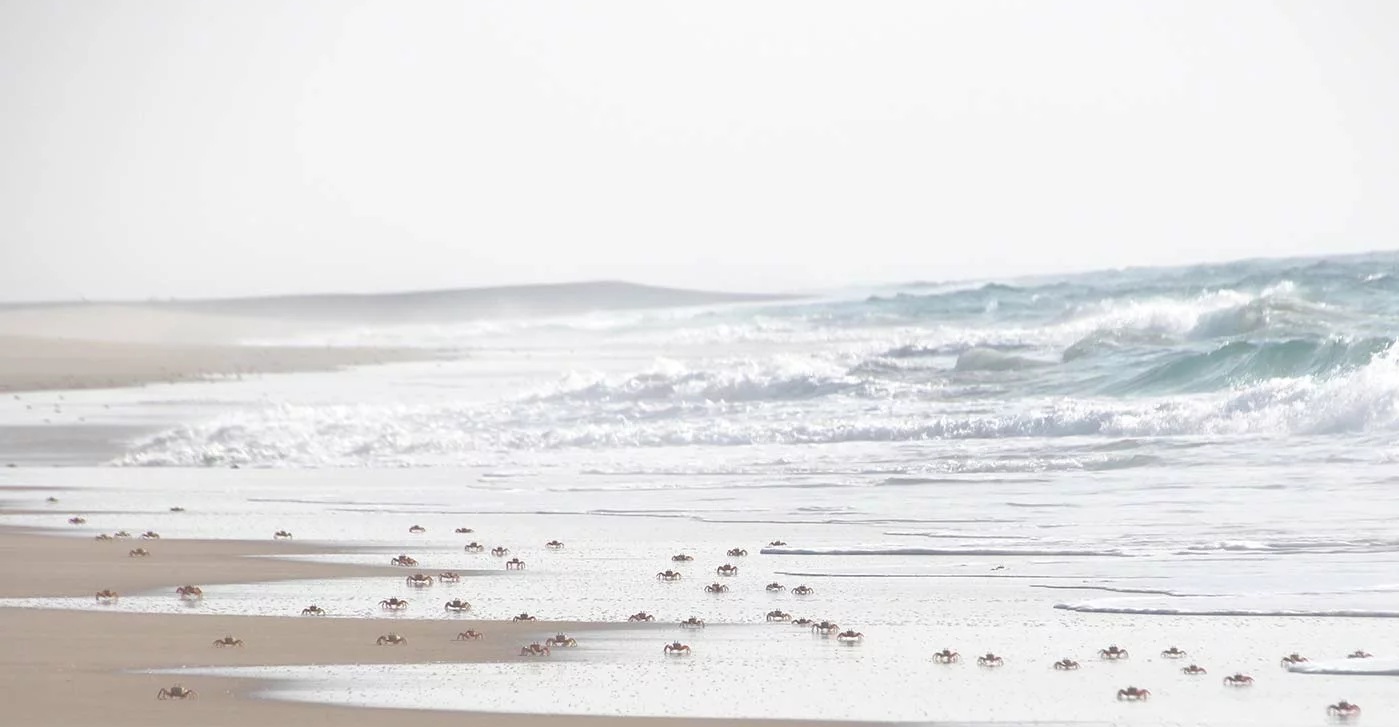
Vilanculos is not a traditional safari destination, but it offers something increasingly valued: a softer interpretation of safari principles. Wildlife encounters here are unscheduled and understated. Dolphins pass offshore, whales migrate seasonally, turtles nest along protected beaches, and birdlife thrives across dunes, wetlands, and estuaries.
There are no game-drive timetables or radio calls. Observation replaces pursuit. Patience replaces expectation. For travelers who appreciate safari philosophy but want a gentler pace, the sanctuary offers an alternative that feels immersive without intensity.
This style of travel appeals particularly to guests who have already experienced classic safari regions and now want something quieter. It also works exceptionally well for photographers, writers, and travelers seeking contemplative rather than adrenaline-driven encounters.
Why Vilanculos Works So Well After Inland Safaris
One of the sanctuary’s greatest strengths is how naturally it complements inland safari travel. After days of early starts, structured drives, and high sensory input, Vilanculos acts as a decompression zone. The coast allows travelers to slow down, process experiences, and reconnect with a sense of stillness.
This contrast enhances the overall journey rather than diluting it. Inland safaris deliver intensity and focus, while the sanctuary delivers balance. Mozambique Travel frequently uses Vilanculos as the coastal anchor following safari experiences in Mozambique or neighboring regions.
For couples, repeat safari travelers, and long-haul visitors, this sequencing creates a more complete and sustainable travel rhythm, one that reflects how people actually want to feel at the end of a journey.
Why the Sanctuary Model Prevents Overdevelopment
The protected status of the Vilanculos coastline is central to its appeal. Development limits restrict large-scale construction and preserve habitat continuity across dunes, wetlands, and nearshore marine systems. Unlike destinations that respond to demand by expanding infrastructure rapidly, this sanctuary model prioritizes long-term ecological stability.
For travelers, the benefits are immediate. Fewer properties mean fewer people. Landscapes remain visually intact. Wildlife behavior remains natural rather than displaced. Noise pollution is minimal. Privacy becomes the default rather than the upgrade.
This restraint is increasingly important as global tourism rebounds. Vilanculos demonstrates that destinations do not need to scale endlessly to remain viable, and that protection can enhance, rather than limit, the travel experience.
Marine and Coastal Ecology as the Foundation of Experience
The sanctuary’s value lies in the way marine and terrestrial systems overlap. Seagrass beds support marine life, dunes stabilize coastlines, wetlands filter freshwater, and reef systems sustain biodiversity. These elements work together to create a resilient coastal ecosystem.
For visitors, this ecological depth adds meaning to everyday experiences. A quiet beach walk becomes part of a nesting corridor. A snorkel trip connects to broader marine health. Even doing nothing becomes a form of engagement with a functioning landscape.
Low-impact travel here is not about sacrifice. It is about understanding that intact systems deliver richer, more memorable experiences than overmanaged environments ever can.
Who the Vilanculos Wildlife Sanctuary Is Best Suited For
Vilanculos appeals most to travelers who value calm, privacy, and authenticity. It suits couples, slow travelers, photographers, and guests seeking recovery after busy itineraries. Families with older children often appreciate the safety and space of uncrowded beaches.
It is less suitable for travelers seeking nightlife, shopping, or constant entertainment. This selectivity is not a weakness, it is what preserves the sanctuary’s character and ensures it continues to attract travelers who align with its values.
Planning Low-Impact Sanctuary Travel With Mozambique Travel
Mozambique Travel specializes in designing itineraries that respect conservation boundaries while maximizing guest experience. Timing, accommodation selection, and pacing are critical in low-impact destinations, and our team advises carefully to ensure travel feels seamless rather than restrictive.
With over twenty years of experience, we help travelers combine Vilanculos with safari regions, choose sanctuary-aligned accommodation, and plan 2026 journeys that reflect both personal priorities and environmental responsibility.
Safety Context for Low-Impact Travel in the Vilanculos Wildlife Sanctuary
Travel safety in the Vilanculos wildlife sanctuary is best understood through structure rather than fear. This region operates within a clearly defined tourism ecosystem where accommodation, transfers, and activities are managed by established operators. Most safety considerations relate to logistics and environment, not crime or instability.
The sanctuary coastline is low density, with limited public access points and controlled development. Travelers typically move between airports, lodges, boats, and beaches using pre-arranged transfers, which significantly reduces exposure to common travel risks. Walking and beach activity during the day feel calm and predictable, particularly within lodge-managed areas.
The primary safety considerations for visitors involve sun exposure, hydration, ocean conditions, and movement between regions rather than personal security threats. Night driving outside lodge transfers is discouraged due to livestock and road conditions, not criminal risk. Independent self-drive travel is generally unnecessary and avoidable when visiting the sanctuary.
For 2026 travelers, planning remains the most effective safety tool. Using reputable accommodation, scheduled transfers, and destination-aware pacing ensures the Vilanculos sanctuary experience remains relaxed, safe, and aligned with the low-impact travel values that define the region.
Plan Your Trip to Vilanculos Wildlife Sanctuary
Planning a low-impact journey to the Vilanculos wildlife sanctuary starts with simplicity. Many travelers choose Vilanculos as a mainland base before adding a short island extension, allowing them to experience both coastal wilderness and lagoon environments without unnecessary movement. Selecting one well-positioned sanctuary-aligned property creates a secure and restful base. Pairing this with a tailored package helps manage transfers, boats, and internal flights smoothly. A detailed Vilanculos destination guide clarifies seasonal conditions, marine activity, and best travel months, while a dedicated travel safety and logistics resource helps set expectations around transfers, medical access, and connectivity. Mozambique Travel designs 2026 itineraries that prioritize low density, conservation awareness, and realistic pacing, ensuring the sanctuary experience remains calm, immersive, and genuinely restorative.