

Travel Safety in Mozambique in 2026: A Practical Guide by Region
Why Travel Safety in Mozambique Needs a Different Approach
Travel safety in Mozambique is best understood through context rather than headlines. In 2026, the question is no longer whether Mozambique is safe, but how safety varies by region, travel style, and planning quality. Mozambique is a long, diverse country with very different conditions between urban centers, beach destinations, islands, and remote inland areas. Treating it as a single safety profile leads to poor decisions and unnecessary concern.
Most visitor challenges relate to logistics rather than security. Road conditions, medical access, ocean safety, and distance between regions shape the real risk profile. When trips are designed with these factors in mind, Mozambique compares well with other Southern African destinations.
Safest Regions for Travelers in Mozambique in 2026
Mozambique’s safest regions are its most established tourism zones. Vilanculos and the Bazaruto Archipelago consistently perform well due to managed transfers, professional accommodation, and controlled marine activities. These areas suit families, couples, older travelers, and first-time visitors.
You can read our Vilanculos and Bazaruto travel safety information here.
The Inhambane coastline, including Tofo and Barra, also remains a strong safety performer. Here, safety considerations focus on road travel, sea conditions, and sun exposure rather than crime. Island and lodge-based destinations typically offer the highest overall safety because access is controlled and logistics are managed end to end.
Maputo Travel Safety: What to Know Before You Go
Maputo is Mozambique’s primary city and business hub. Travel safety here depends on location, timing, and transport choices. Central districts, coastal zones, and established hotel areas are regularly used by international travelers without incident.
Risk increases with informal transport, unplanned night movement, and unfamiliar neighborhoods. Travelers using reputable hotels, arranged transfers, and standard urban awareness find Maputo manageable and rewarding. Conference and business travelers benefit most from integrated planning that keeps venues, accommodation, and transport close together.
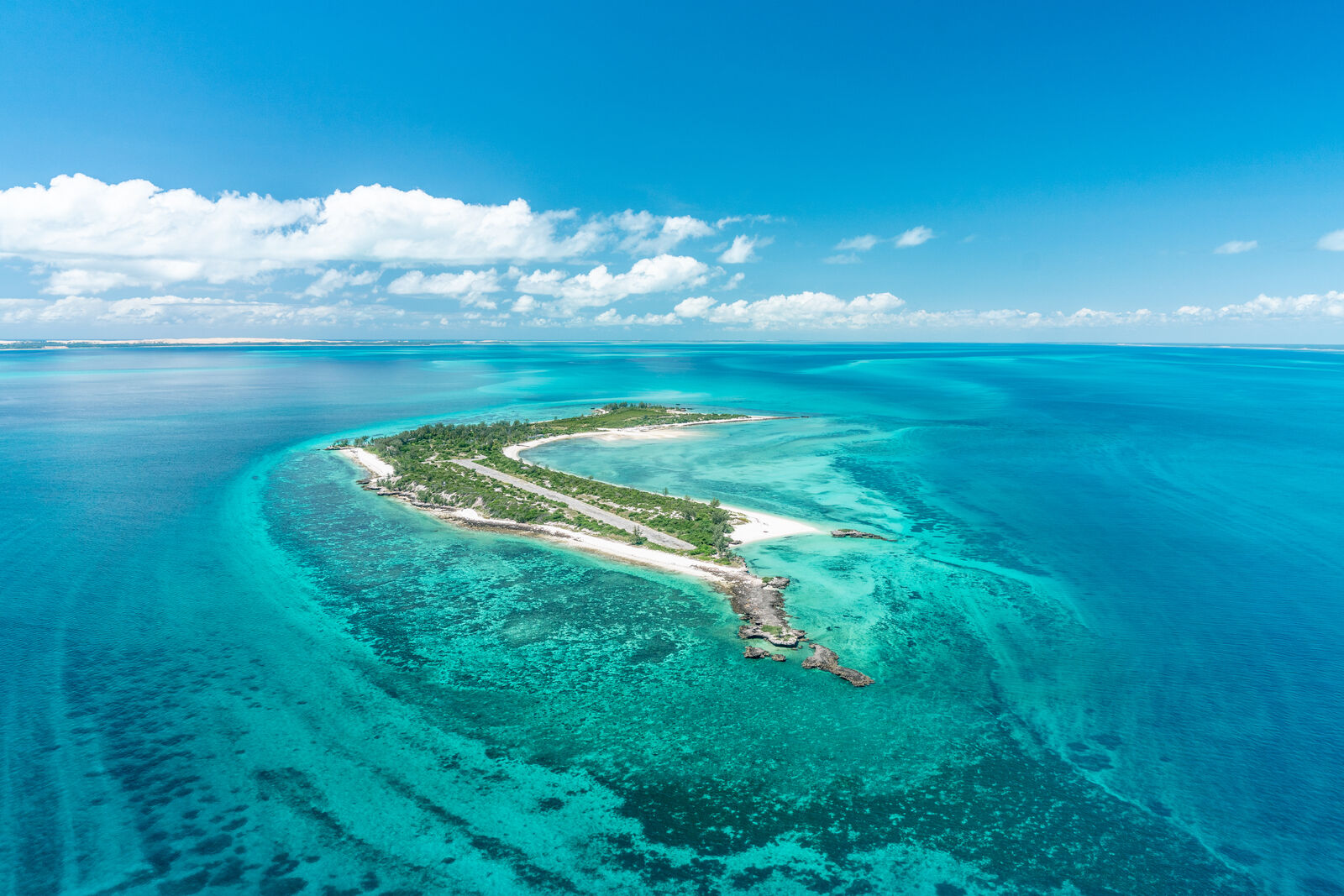
Travel Safety in Vilanculos and the Bazaruto Archipelago
Vilanculos and the Bazaruto Archipelago are widely regarded as the safest regions for leisure travel in Mozambique, largely because tourism here operates within managed, low-density systems. Access is structured, accommodation is professional, and most visitor movement happens through pre-arranged transfers by road, boat, or air. This reduces exposure to the types of risks that affect less developed regions. In Vilanculos, safety is shaped by short transfer distances, established accommodation zones, and a strong tourism economy familiar with international travelers. The town is compact, walkable by day in key areas, and supported by reputable lodges and operators. In the Bazaruto Archipelago, safety levels are even higher due to controlled access, limited guest numbers, and lodge-managed logistics from arrival to departure.
Marine activities such as snorkeling, dhow sailing, and island hopping are conducted with licensed operators who understand local sea conditions and seasonal patterns. For families, older travelers, and first-time visitors to Mozambique, this region offers a reassuring balance of natural beauty and operational reliability, making it one of the most confidence-inspiring travel choices in Southern Africa for 2026.
Areas That Require Extra Planning or Caution
Safety conditions vary significantly across Mozambique. Northern Mozambique, particularly parts of Cabo Delgado province, is not positioned for mainstream tourism in 2026. These areas face security instability and limited infrastructure and are not recommended for leisure travel outside specialist, professionally managed itineraries.
In southern and central Mozambique, safety challenges are primarily logistical. In Maputo, occasional urban crime such as opportunistic theft and isolated express kidnapping incidents affects residents more than tourists and is linked to predictable behaviors like night driving and informal transport. Structured planning significantly reduces exposure.
Night driving between towns nationwide is discouraged due to livestock, poor lighting, and road conditions. Most safety issues arise from avoidable logistical decisions rather than deliberate targeting.
Northern Mozambique Travel Advisory (2026)
Northern Mozambique, particularly Cabo Delgado, is not recommended for leisure travel in 2026 due to ongoing security instability and limited tourism infrastructure. These regions are outside established travel corridors. Specialist or work-related travel should only proceed with professional security guidance and current local intelligence. The vast majority of Mozambique holidays take place far south of this region and are unaffected.
The Most Common Safety Risks Travelers Face
The most common risks in Mozambique are predictable. Road travel remains the primary factor, particularly over long distances. Medical access varies by region, making evacuation planning important for islands and remote lodges. Marine safety depends on tides, currents, and seasonal conditions. Heat, dehydration, and fatigue are frequently underestimated, especially among older travelers.
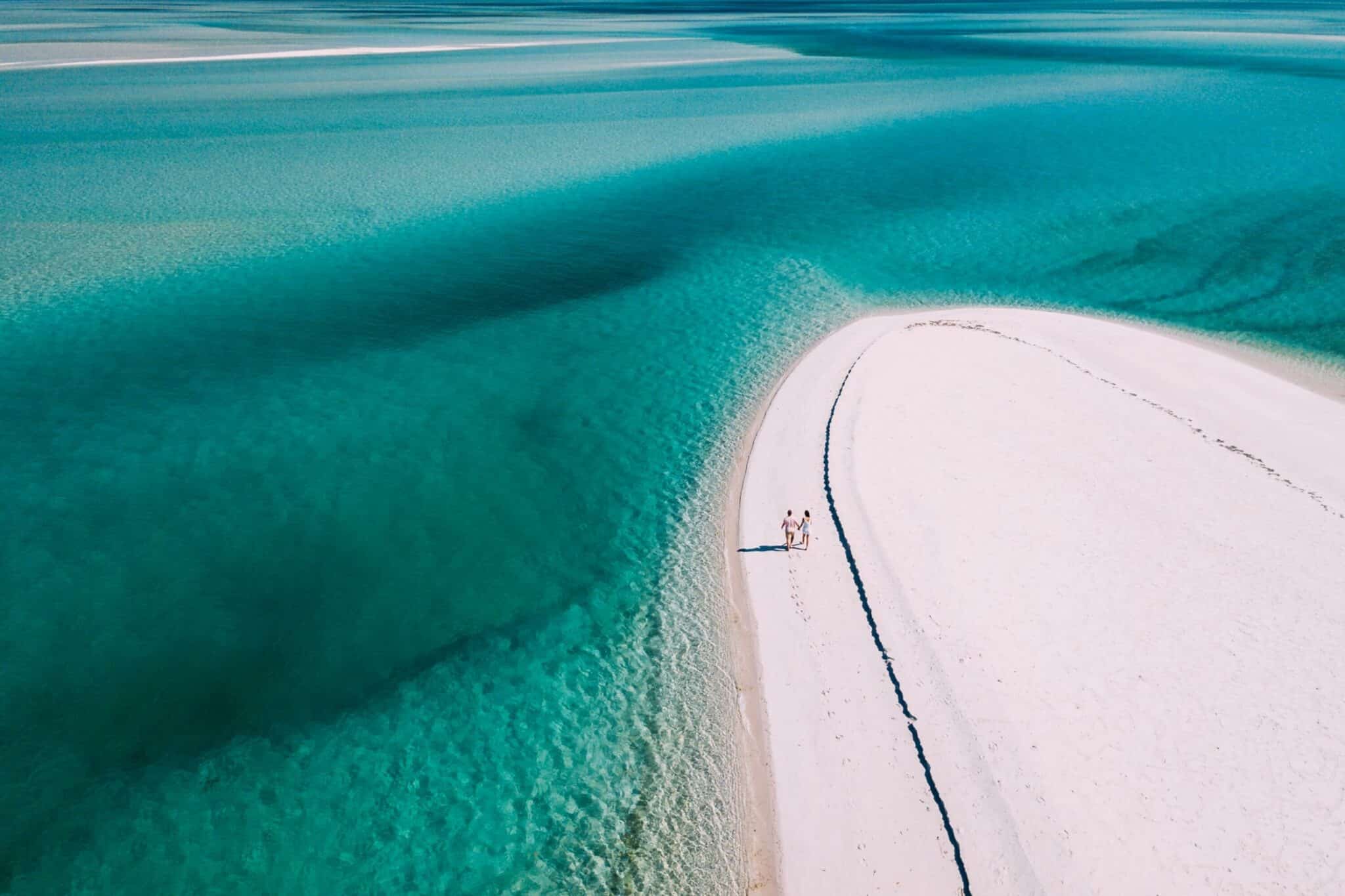
Why Structured Travel Improves Safety Outcomes
Structured travel is the single most effective safety tool in Mozambique. Travelers using experienced operators benefit from vetted accommodation, realistic pacing, and local problem-solving capacity. This does not remove authenticity, it removes unnecessary risk.
Independent travel without regional knowledge increases friction, especially across long distances. Safety improves when logistics are planned holistically rather than reactively.
Technology and Travel Safety Tools in Mozambique
Technology now plays a central role in travel safety. In Mozambique, where distances are long and emergency services can be uneven outside major centers, safety tools provide meaningful support rather than theoretical reassurance.
TravelSafe SOS is designed for destinations exactly like Mozambique. It offers location sharing, emergency escalation, and coordination support if something goes wrong. This is especially valuable during inter-regional travel, marine excursions, or stays in remote areas. Safety technology complements good planning rather than replacing it.
Travel Safety for Families and Older Travelers
Mozambique works well for families and older travelers when itineraries are paced carefully. The safest family travel focuses on beach and island destinations with short transfers and reliable accommodation. Avoiding rushed schedules improves both comfort and safety.
Older travelers benefit from private transfers, lodge-based stays, and rest days built into itineraries. Many families and multigenerational groups now use safety apps to provide reassurance when traveling between regions or participating in marine activities.
Conference, Incentive, and Business Travel Safety
Business and conference travel safety depends on professional coordination. Delegate movement, venue security, medical access, and contingency planning form part of duty of care in 2026.
Maputo performs best for large events due to infrastructure and accessibility, while coastal destinations suit incentives and leadership gatherings. Safety outcomes improve when logistics are integrated rather than managed separately.
Mozambique Compared with Other Southern African Destinations
Mozambique’s safety profile is comparable to neighboring destinations in established tourism zones. The difference lies in infrastructure maturity, not threat level. Quieter environments reduce crowd-related risks but increase the importance of planning.
Mozambique rewards travelers who value preparation and flexibility.
Plan Safe Travel in Mozambique for 2026
Safe travel in Mozambique begins with choosing the right regions and planning logistics realistically. Most visitors benefit from limiting travel to one or two areas, using arranged transfers, and selecting accommodation with proven track records. A regional destination guide helps align travel dates with weather and sea conditions, while a dedicated travel safety and logistics resource clarifies medical access, connectivity, and emergency planning.
Mozambique Travel has over 20 years of experience designing itineraries that balance safety, comfort, and experience. With thoughtful planning, Mozambique remains one of Southern Africa’s most rewarding destinations in 2026.