

Wildlife Conservation in Gorongosa National Park
Gorongosa National Park – A Conservation Success Story in Africa
Gorongosa National Park has become one of Africa’s most remarkable conservation achievements, a living example of how science, community partnership, and long-term commitment can revive an ecosystem nearly lost to conflict. Once devastated by civil war and poaching, the park has risen as a global model for ecological restoration. Today, wildlife populations are thriving, forests are regenerating, and communities are driving conservation with pride and ownership. Gorongosa’s story continues to evolve in 2026 with new scientific discoveries, expanding community programs, and strengthened wildlife monitoring that reinforce its status as one of the continent’s most important restoration landscapes.
Gorongosa’s Landscape Recovery and 2025 Achievements
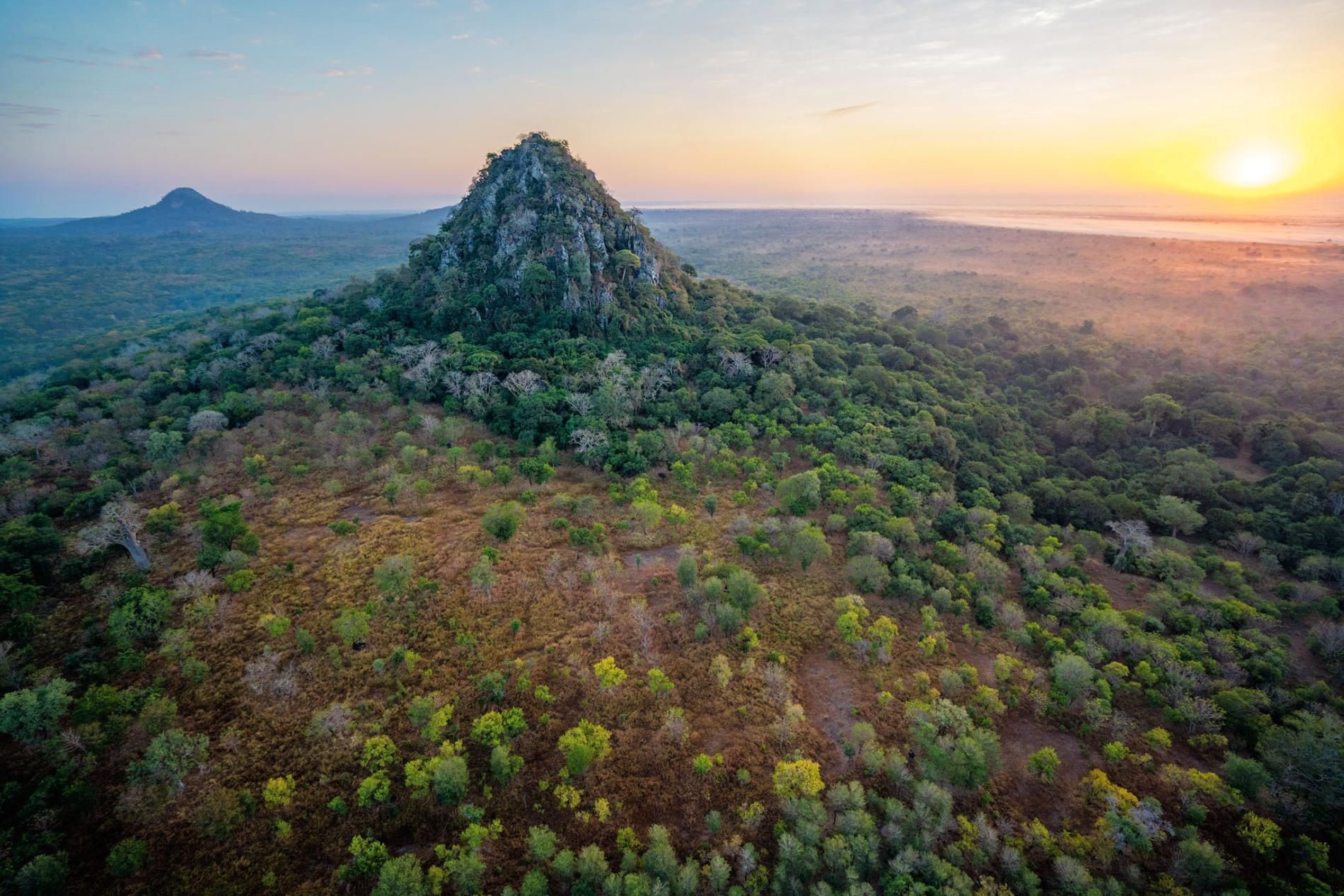
The park’s 1,500 square miles encompass floodplains, forests, savannas, and the towering slopes of Mount Gorongosa. These diverse habitats are now healthier than they have been in decades. In 2025, hydrological studies confirmed that restored wetlands and forest catchments are stabilising water flow across the dry season, supporting both wildlife and agriculture in surrounding communities. Remote-sensing data also revealed steady increases in tree cover around key watersheds, a direct result of community-led reforestation and sustainable farming projects.
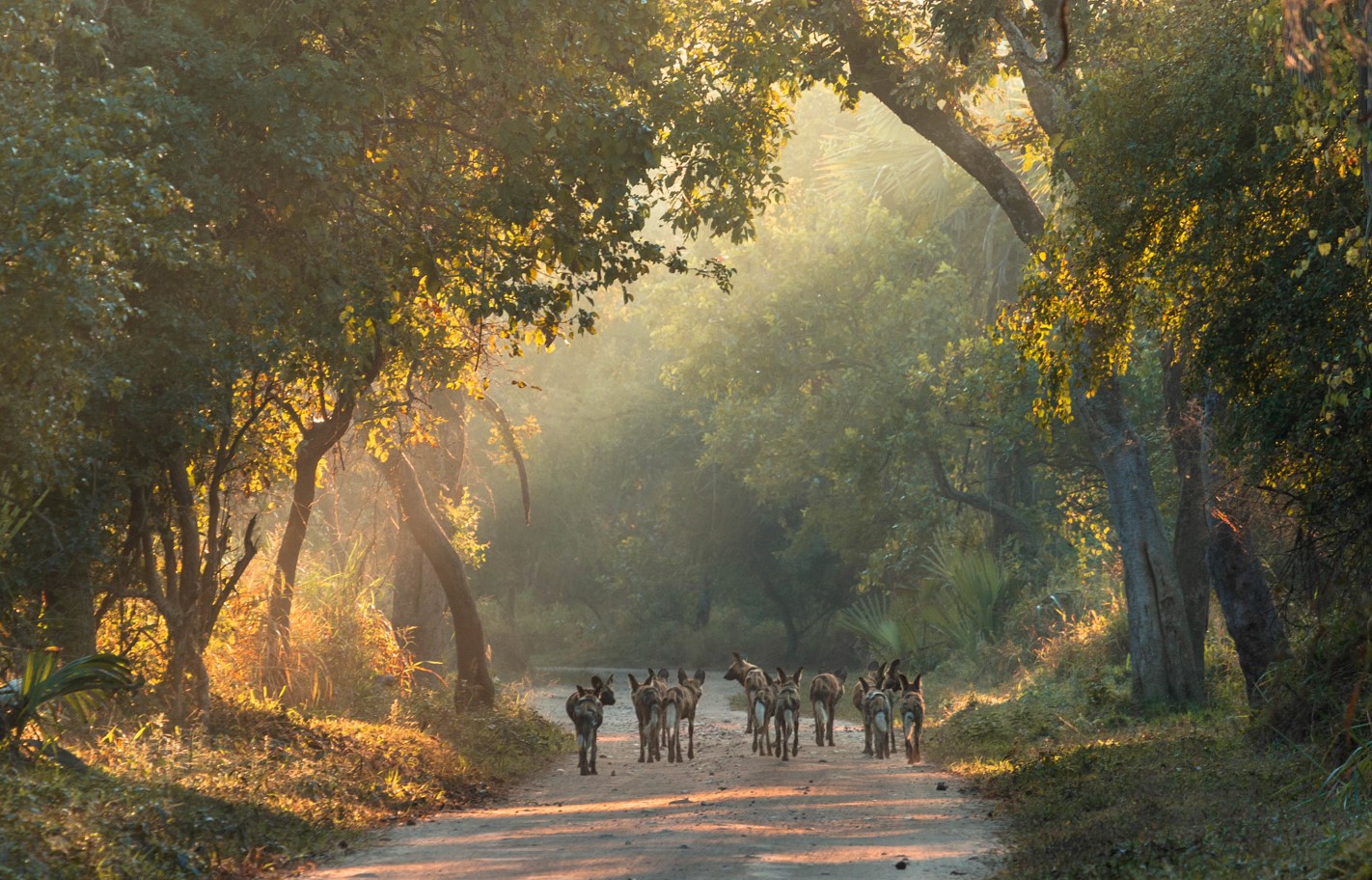
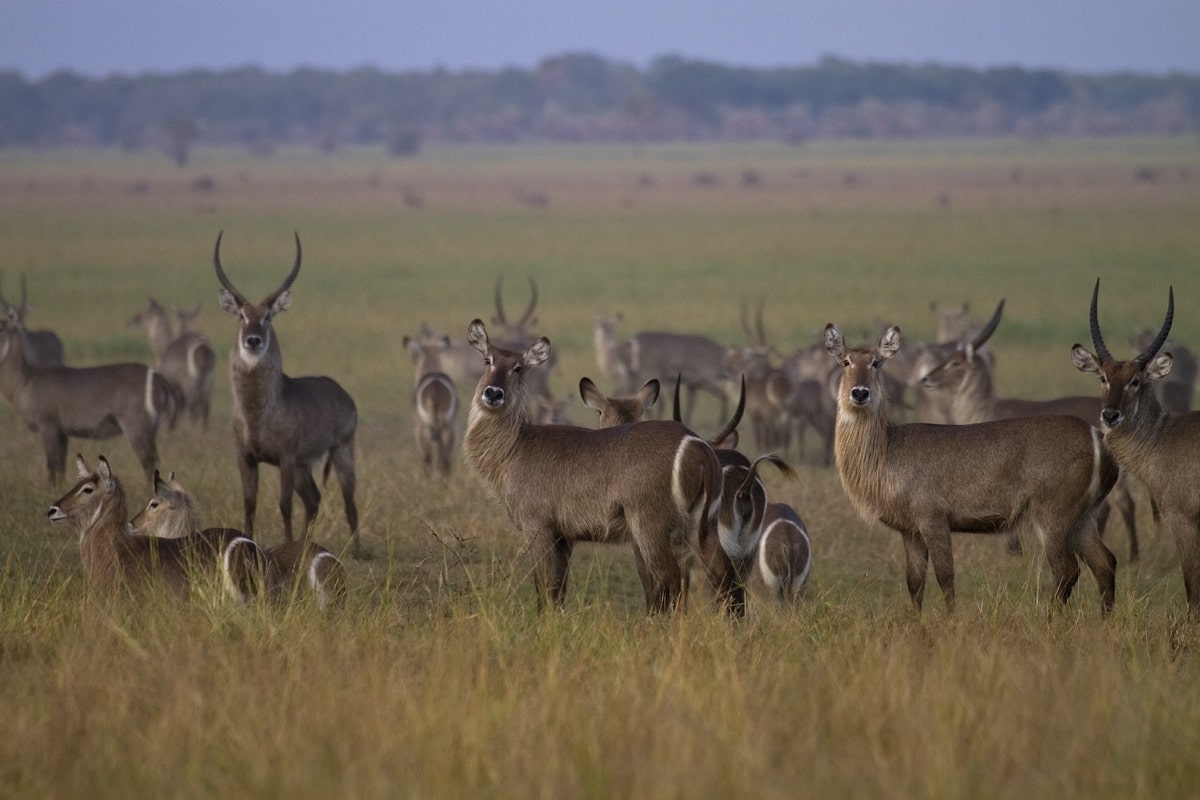
Healthy wildlife numbers reflect the scale of Gorongosa’s progress. Mammal populations have grown by more than 700 percent compared to a decade ago, and new monitoring flights in 2025 showed expanding herds of waterbuck, sable, bush pigs, and buffalo. Elephants and lions continue to rebound, while painted wolves are now firmly re-established after years of absence.
Major Biodiversity Gains on Mount Gorongosa
In 2025, Mount Gorongosa recorded one of its most significant biodiversity milestones in recent history. Surveys conducted by the E. O. Wilson Biodiversity Laboratory documented an increase in pollinator diversity across upper-altitude forests, including several rare butterfly species not recorded since the early 1990s. Scientists attribute this resurgence to expanded reforestation plots, reduced slash-and-burn activity, and cooler, stabilised microclimates created by maturing indigenous trees. The mountain’s streams also showed improved water clarity and flow consistency, benefiting both wildlife and downstream communities. These findings strengthen Gorongosa’s position as a leading example of climate resilience and ecosystem restoration in southern Africa.
Relocation of Animals to Gorongosa Mozambique
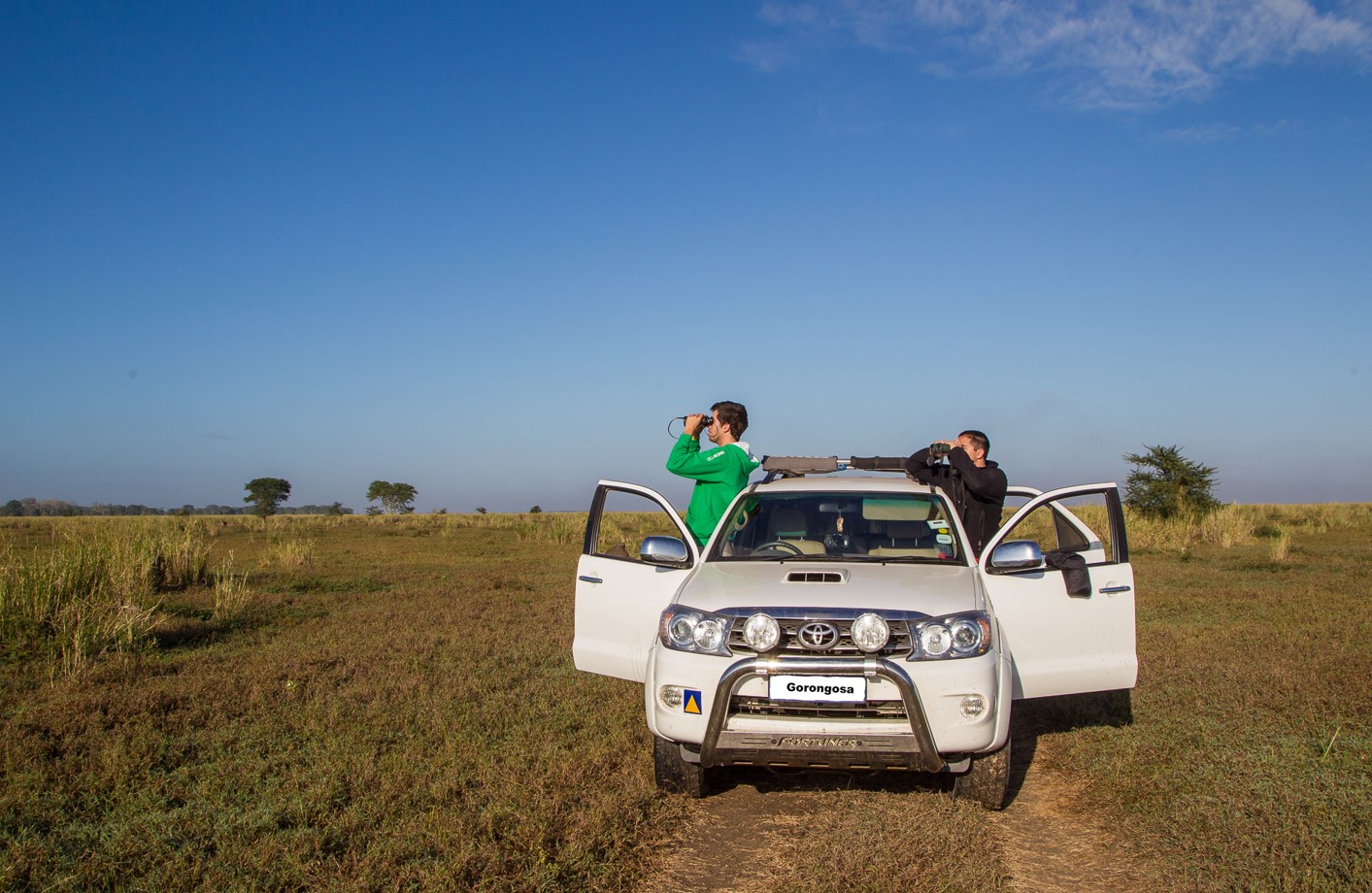
Animal Relocation and Wildlife Recovery in Mozambique – Relocating wildlife to Gorongosa has been one of the most ambitious restoration projects in Africa. Following the war, the park had lost most of its large mammals, and thousands of snares littered the landscape. Early operations moved buffalo, wildebeest, zebra, and antelope back into the park to restore the herbivore base. In 2025, additional zebra and reedbuck arrivals helped stabilise browsing pressure in the Rift Valley grasslands, while new monitoring teams used drones to track released animals.
Before the war, Gorongosa’s wildlife was legendary across southern Africa. Today, the carefully managed reintroduction process continues to rebuild ecological balance, supported by rangers, veterinarians, and scientists who ensure each species thrives.


Greg Carr’s Ongoing Impact on Gorongosa’s Revival
Greg Carr’s commitment to Gorongosa remains central to its restoration. His long-term investment, paired with the expertise of Mozambican conservation leaders, has driven one of the continent’s greatest ecological turnarounds. Carr’s focus on predator-prey balance, community projects, and scientific research has produced lasting results. In 2025, renewed collaboration with international universities expanded research on predator genetics, leading to improved strategies for supporting Gorongosa’s growing lion and hyena populations.
The Return of Lions and Apex Predators
Lions have made an extraordinary comeback, rising from a tiny, injured remnant to a growing, healthy population. Their recovery happened naturally once the prey base returned and poaching pressure decreased. Today, approximately 200 lions roam Gorongosa, supported by expanded veterinary patrols and continuous monitoring. Wild dogs, leopards, and hyenas form a functioning predator guild once again, though still vulnerable to habitat loss across Africa. In 2025, satellite tracking data revealed increased denning success among wild dogs, marking another step forward for long-term predator securit
Pangolin Rehabilitation and Global Anti-Trafficking Efforts
Gorongosa’s pangolin program remains one of the park’s most important conservation missions. Since 2018, more than 100 pangolins have been rescued and rehabilitated, with several more confiscated from traffickers in 2025. The Pangolin Rehabilitation Center treats injured animals, fits them with monitoring tags, and releases them into secure areas. Community outreach and improved law enforcement have reduced trafficking incidents, and new awareness campaigns in 2025 strengthened village-level reporting systems that help protect these endangered mammals.

The 4 Pillars of Landscape and Wildlife Conservation at Gorongosa
In all these ways, Gorongosa can be viewed as a beacon of hope for wildlife conservation. The national park is standing evidence that the 4 pillars of ecotourism and landscape restoration can work when people commit to them. These 4 pillars are:
- Gorongosa community involvement and ownership of conservation and projects,
- Making a clear link between healthy economies and healthy natural resources,
- Environmental education and earth conservation, and
- Ensuring that women play a central role in making a better world for all living things.
Wildlife conservation at Gorongosa goes hand in hand with social upliftment and 89 schools are now supported while 600 teachers will be trained since the war and all disruption to these essential services. There is a focus on girls who need support to be independent, have a future and be equal to men in terms of jobs and opportunities.
Community-Based Natural Resource Management
Gorongosa’s CBNRM approach continues to grow. In 2025, additional communities joined pilot conservancies that allow sustainable harvesting of timber, honey, and non-timber forest resources. These initiatives reduce pressure on wildlife while improving household income. Villages are supported to launch small businesses tied to ecotourism, conservation work, and forest restoration. This ethos ensures that the people who share the landscape benefit directly from its protection.
Ecotourism as a Force for Wildlife Protection
Ecotourism is fundamental to Gorongosa’s conservation success. Visitors support jobs, fund infrastructure, and provide revenue for anti-poaching units and education programs. As tourism grows, more locals become guides, rangers, researchers, and hospitality staff. In 2025, updated visitor experiences included expanded nature trails, community cultural visits, and enhanced predator-viewing opportunities supported by digital tracking. This sustainable tourism model shows how protected areas can succeed when people and wildlife prosper together.
Community Conservation and Sustainable Projects in Gorongosa
During the devastating 16-year civil war, Mount Gorongosa was stripped of its forests and wildlife as people relied on natural resources for survival. Today, coffee trees are flourishing on its slopes in harmony with the regenerating forests, providing sustainable livelihoods that allow communities to earn income without destroying the land. Reforestation projects continue to restore the mountain’s biodiversity while offering local families renewed opportunities for resilience and self-sufficiency.
Ecotourism initiatives have multiplied this success. Community members have become game rangers, anti-poaching officers, hospitality staff, and guides, building a culture of protection for Gorongosa’s natural wealth. Today, more than 1,600 people are employed directly through the park, while tourism revenue supports conservation management, education, and healthcare. This creates a cycle where wildlife protection and human development thrive together. International partners, including the Carr Foundation and U.S. foreign aid, contribute millions annually to bolster these programs, ensuring Gorongosa remains a living example of how science, tourism, and community commitment can restore an entire ecosystem.

Growing Careers in Science and Conservation
The E. O. Wilson Biodiversity Laboratory remains a centre of scientific excellence. The BioEd program continues to train Mozambican biology students, researchers, and park managers. In 2025, the conservation biology MSc saw its largest intake yet, with new funding for field research on forest regeneration, pollinator networks, and predator ecology. Graduates now work throughout Mozambique, applying Gorongosa’s model in other protected areas.
Plan Your Conservation Safari with Mozambique Travel
Experience Gorongosa’s extraordinary revival with Mozambique Travel. For more than 20 years, we have crafted seamless safaris that bring travellers into the heart of Africa’s most inspiring conservation success story. Enjoy guided wildlife encounters, learn about predator recovery, visit pangolin rescue initiatives, and meet the people restoring this remarkable landscape. Combine your safari with a beach escape to Vilanculos or the Bazaruto Archipelago for the perfect bush and beach journey. Our expert team handles bookings, transfers, and on-call support so you can travel with confidence and purpose. Let us design your unforgettable Gorongosa conservation safari today.