

Top 3 Picks For Mozambique 2026 – Gorongosa, Maputo National Park and Bazaruto
The Best Three Places to Visit in Mozambique in 2026
Mozambique, with its long Indian Ocean coastline and untamed wilderness, remains one of Africa’s most captivating travel destinations. Travelers who crave authenticity, adventure, and beauty will find it here—where pearl-white beaches meet turquoise seas, wildlife thrives in restored national parks, and island archipelagos sparkle under endless sunshine.
Our expert team at Mozambique Travel highlights the three best places to visit in Mozambique for 2026—the wildlife haven of Gorongosa National Park, the coastal wilderness of Maputo National Park, and the idyllic Bazaruto Archipelago. Together, they represent the ultimate safari-and-sea adventure, combining biodiversity, cultural discovery, and relaxation.
1. Gorongosa National Park – Mozambique’s Wild Heart Restored
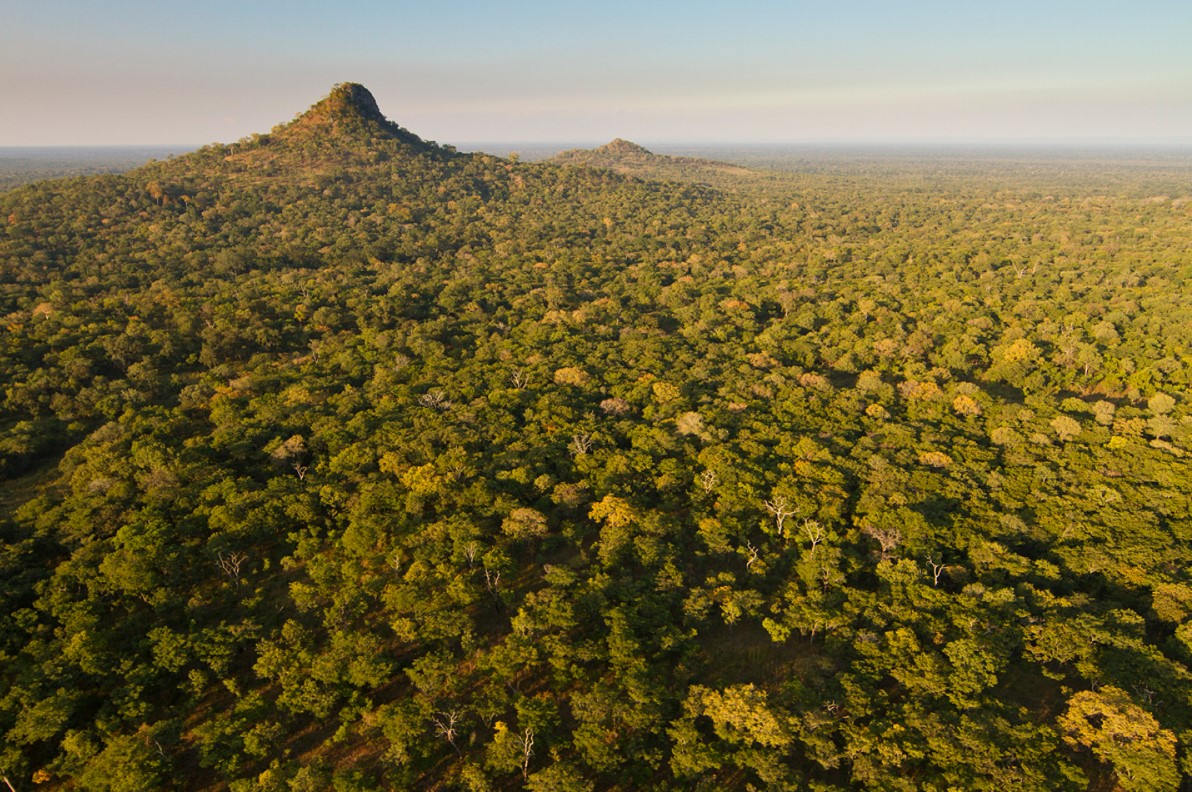
Once devastated by civil conflict, Gorongosa has re-emerged as one of Africa’s most inspiring conservation success stories. Today it stands as Mozambique’s premier safari destination and one of the most ecologically diverse regions in the world.
Why Visit Gorongosa National Park in 2026?
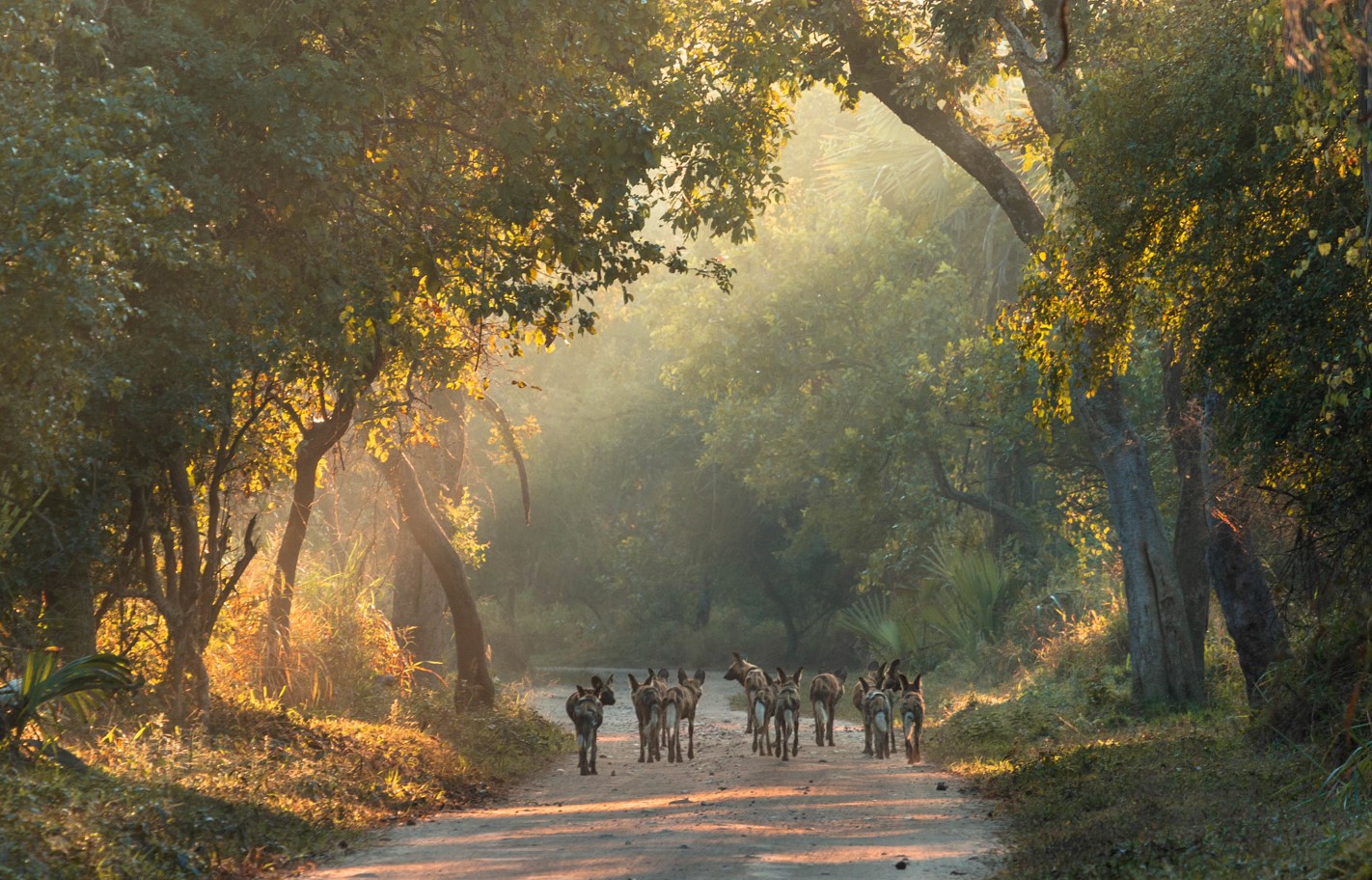
Gorongosa’s mosaic of floodplains, grasslands, and forested escarpments teems with wildlife. Herds of elephants, buffalo, and antelope roam freely, while lions, wild dogs, and leopards reclaim their territories. Over 400 bird species make this a paradise for birdwatchers.
This revival owes much to the Gorongosa Restoration Project, a long-term partnership between philanthropist Greg Carr and the Mozambican government. The initiative restored habitats, reintroduced key species, and supported surrounding communities through education and sustainable livelihoods. Visitors now enjoy world-class safaris in a landscape that symbolizes hope and resilience.
This is Mozambique’s flagship conservation area and is probably the most effective reserve rehabilitation story in history. Before the devastating 15-year civil war, the park was a vibrant wilderness frequented by famous Hollywood idols and then it hit rock bottom when all species were hunted out and the terrain took a huge knock from the war. When restoration efforts began in 2004, the park took another 15 years to spring back to what it was in its heyday and now tourists are discovering the best safari destination in East Africa.
When to Go and How to Get To Gorongosa
You can go to Gorongosa all year round but the dry, cooler days are better than the wet humid days. For most safari enthusiasts, the best time to enjoy Gorongosa is from April to November during the dry season. Roads are generally closed when it rains, from December to March and the park is closed during this period.
Most travellers from abroad will fly to Mozambique via Johannesburg, then fly directly from Johannesburg to Beira and take a connecting light air transfer direct to Chitengo for their safari in Gorongosa. Mozambique Travel will help you plan your itinerary with regional and international flights, plus the light air transfers. We also have a number of Gorongosa bush and beach itineraries that combine this wildlife gem with island and coastal lodges in Mozambique.
Other travellers like to self-drive off the beaten track from one of four border crossings between South Africa and Mozambique. The main border crossing is the Lebombo border (known as Ressano Garcia on the Mozambique side), on the N4 (SA) / EN4 (Mozambique) that links Johannesburg and Maputo.
2. Maputo National Park – Where Forest Meets the Sea
Formally known as Maputo Special Reserve, this newly expanded conservation area unites the coastal forests and lagoons of southern Mozambique with the marine treasures of Ponta do Ouro. Only 80 km from the capital, it’s easily accessible yet feels wonderfully remote.

Why Visit Maputo National Park
Declared one of only 36 global biodiversity hotspots, Maputo National Park is a haven for elephants, hippos, crocodiles, antelope, and over 300 bird species. Its sandy forests and wetlands roll gently into dune-lined beaches where turtles nest and dolphins play.
Safari travelers can enjoy 4×4 game drives through the reserve, followed by snorkeling or diving in the marine sanctuary. The park forms part of the Lubombo Transfrontier Conservation Area, connecting with iSimangaliso Wetland Park in South Africa—a triumph of cross-border conservation.
Only 80 km from Maputo city, this new national park stretches an awesome 1,700 square kilometers comprising splendid sandy forests, mangroves, swamps and dunes covered in indigenous vegetation. The ocean is right there too, and you can dive to your heart’s content while splashing out in the only luxury accommodation available in this park.
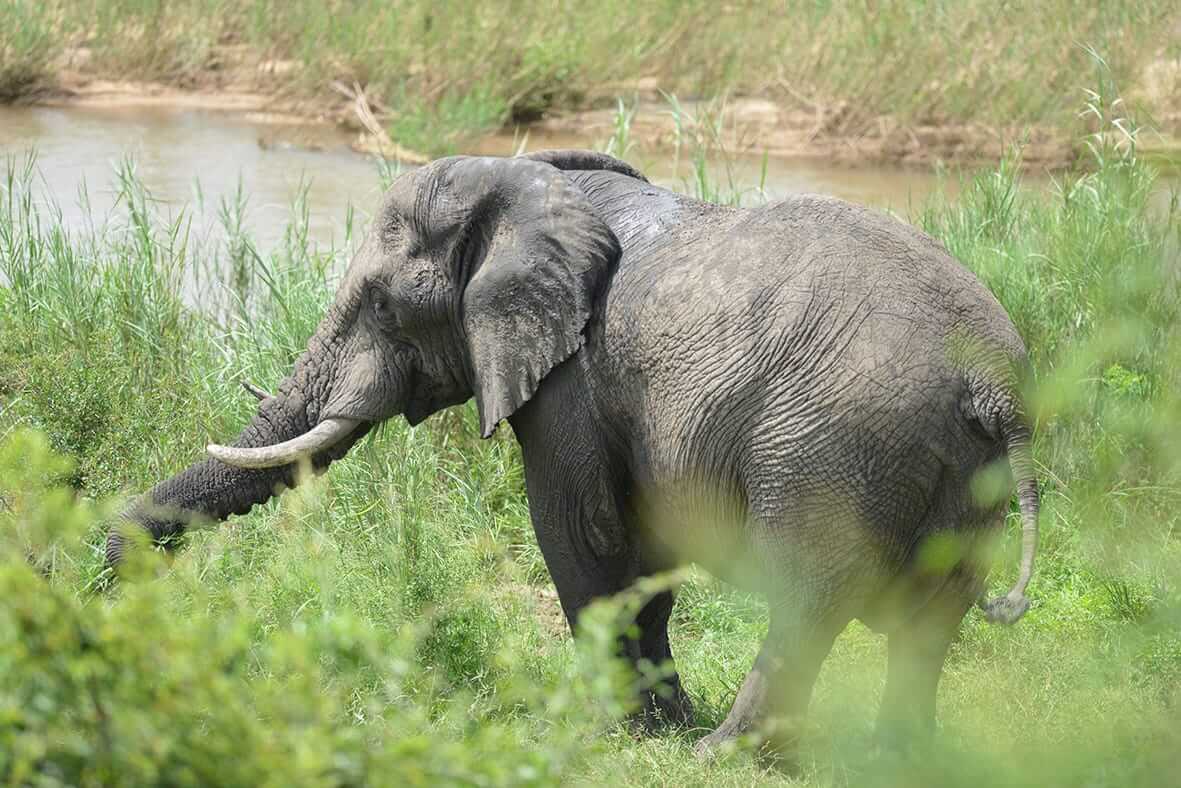
Go and see an ambitious goal come to fruition, benefiting all wild creatures and sustaining the communities living in the region. It is important to have a 4×4 vehicle to traverse the park as most of the tracks are thick sand but no noisy quad bikes, jet skis or motorbikes are allowed in the park. It’s a highlight to go and find some 400 African elephants, a myriad bird species, zebra, antelope, crocodiles, hippos, and small red duiker, suni, reedbuck and steenbok.
When to go to Maputo National Park in 2026
There is no special ‘when to go season’ to Maputo National Park as every season is spectacular, but if you want to see dolphins, turtles and whales while you are viewing elephants, the best time to go is from July to November. This is a good time to visit Maputo NP because it is the dry season, roads are passable and the weather is a bit cooler. Night walks along dreamy, deserted beaches may reveal prehistoric loggerhead and leatherback turtles, nesting on the beaches.
How to Get To Maputo National Park
You can visit Maputo National Park throughout the year, but the best time is between July and November, when the dry season brings cooler weather, clear skies, and optimal conditions for spotting elephants, antelope, turtles, and migrating humpback whales. The park is now more accessible than ever, thanks to the new tar road from Maputo, which crosses the impressive Katembe Bridge and continues directly to the Ponta Membene Gate. This modern route has reduced travel time to under two hours from the capital. From the main gate, transfers to Ponta Membene Lodge and other accommodations are easily arranged by Mozambique Travel or park operators. Once inside, visitors need a 4×4 vehicle to explore the sandy tracks and coastal dunes that connect forest, wetlands, and pristine beaches along Mozambique’s southern coastline.
Where to Stay in Maputo National Park – Ponta Membene Lodge
The best place to stay inside Maputo National Park is Ponta Membene Lodge, a tranquil beachfront retreat set between forest and sea. This eco-friendly lodge offers spacious en-suite chalets and family units built with natural materials to blend into the pristine environment. Guests enjoy private decks with ocean views, delicious Mozambican cuisine, and guided game drives to spot elephants, antelope, and birdlife. The lodge also offers beach walks, kayaking, and cultural tours with local communities. Powered by solar energy and committed to sustainability, Ponta Membene provides a unique blend of comfort, conservation, and adventure—ideal for families, couples, and nature lovers seeking a genuine Mozambique safari-and-sea experience.
3. The Bazaruto Archipelago – Mozambique’s Island Paradise
Off the coast of Vilanculos lies a string of five picture-perfect islands—Bazaruto, Benguerra, Margaruque, Bangue, and Santa Carolina. Protected as Bazaruto National Park, the archipelago is one of the Indian Ocean’s most pristine marine sanctuaries.
Why Visit the Bazaruto Islands
Expect powder-soft sands, clear lagoons, and coral reefs alive with color. The park is home to endangered dugongs, sea turtles, manta rays, whale sharks, and humpback whales. Visitors can dive, snorkel, fish, or simply unwind on sandbanks surrounded by turquoise seas.
Ecotourism projects here protect marine life while empowering local fishing communities. Rangers monitor turtle nesting sites, and operators promote catch-and-release sport fishing. The result is a model of sustainable island tourism that balances luxury with conservation.
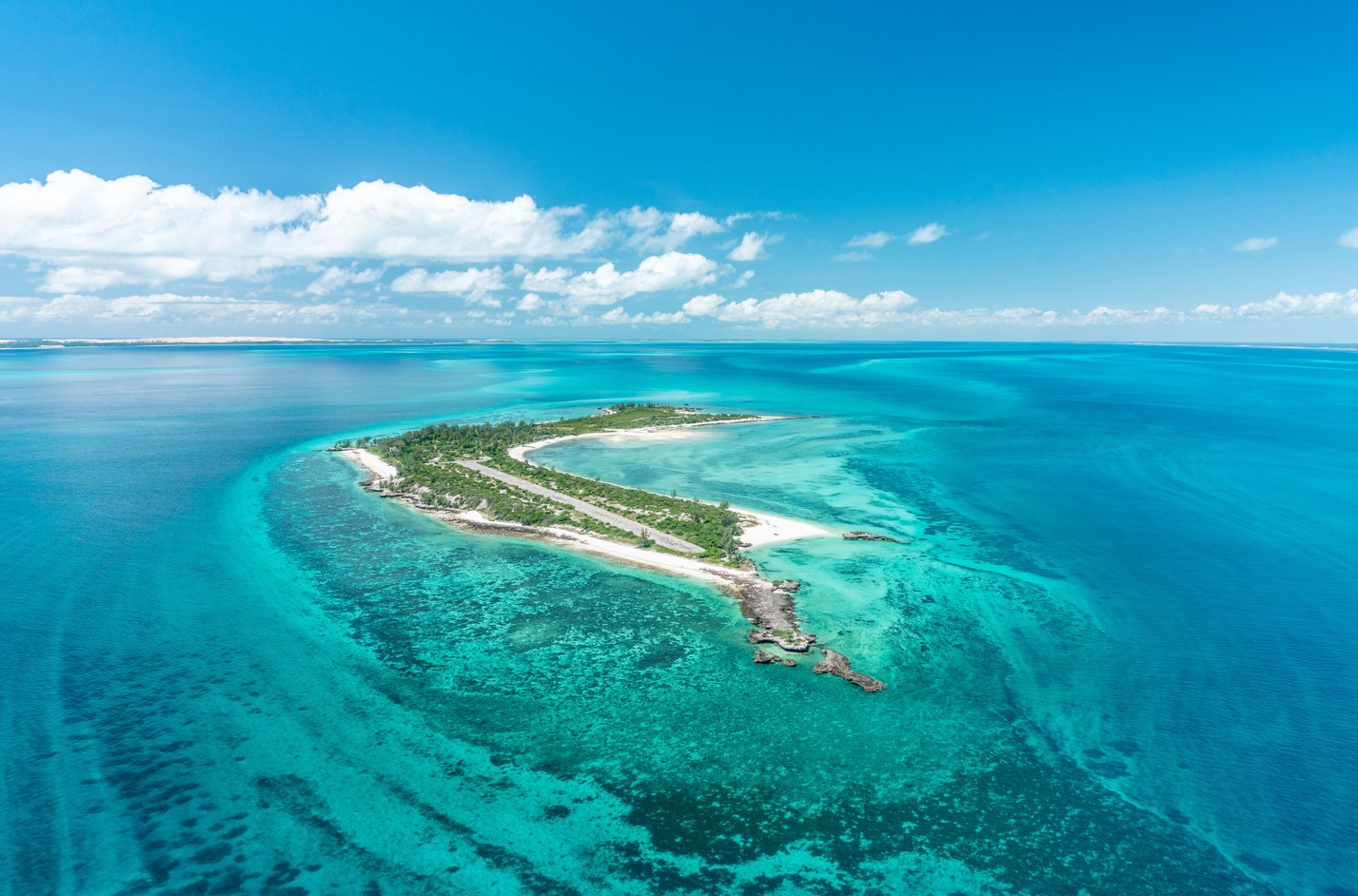
As Mozambique’s first-ever marine reserve, the Bazaruto Archipelago has introduced ecotourism initiatives involving the conservation of turtles, dugongs and other ocean megafauna such as whale sharks, manta rays, dolphins and Humpback whales. Come and see how rangers monitor the 5 species of Indian Ocean turtles when they lay their eggs on the island beaches and encourage all fishermen to tag and release any sailfish and marlin caught in the deeper waters surrounding the park. Diving opportunities into untouched coral reefs and seagrass meadows and walks into island coastal dunes, rocky and sandy shores, coral reefs, and mangrove forests. This is why you should go to Bazaruto as soon as you can!
When to Go and How to Get There
Every day of the year is a good time to go to the Bazaruto Islands because the sun always shines and the sea is always blue. For more stable weather and a chance to witness the Humpback whale migration, go to Bazaruto from June until November and you can also swim with Whale sharks and various species of dolphins while you are whale viewing and scuba diving.
You will need to fly into Vilankulos International Airport and there are daily direct flights from OR Tambo in Johannesburg as well as regular flights from Maputo. See the flight schedules to Vilanculos here.
Getting from Vilankulo to the islands is easiest by air – so fly to the island of your choice by helicopter to the various lodge private helipads or take a private charter from Vilanculos to Bazaruto. This is the only functioning airstrip in the archipelago at the moment. Boat rides from Vilanculos Harbor are an ideal way to see the archipelago when you arrive in Mozambique for the first time on the holiday package of your choice.
Where to Stay in Bazaruto in 2026
Accommodation in the Bazaruto Archipelago blends barefoot luxury with eco-conscious design. Top choices include Azura Benguerra Island, offering private villas with plunge pools and personal butlers, and andBeyond Benguerra Island Lodge, known for its elegant casitas and world-class diving access. Bazaruto Lodge provides relaxed comfort on pristine beaches with easy reef access for snorkeling and kayaking. All three lodges feature fresh seafood dining, spa treatments, and marine excursions, ensuring guests experience the ultimate Mozambique island escape surrounded by crystal-clear waters.
.

Where to stay in the Bazaruto Islands
Why These Three Destinations Belong on Every Mozambique Itinerary
Together, Gorongosa, Maputo National Park, and the Bazaruto Archipelago showcase Mozambique’s extraordinary diversity—from inland wilderness to marine wonderland. They demonstrate how responsible tourism supports conservation and community upliftment while delivering unforgettable holidays.
Whether you’re tracking lions in Gorongosa, watching elephants roam coastal forests, or snorkeling with whale sharks in Bazaruto, these three destinations prove that Mozambique is one of Africa’s last great frontiers for authentic travel experiences.
Plan Your Journey with Mozambique Travel
Mozambique Travel has been designing tailor-made safari-and-beach holidays for over 20 years. Our experts coordinate flights, transfers, and stays at top lodges and eco-resorts, ensuring seamless travel and expert local support.
Contact us today to start planning your Mozambique adventure and discover the wild, beautiful, and sustainable side of Africa.