

Maputo Fish Market Guide 2026: Inside Mercado do Peixe
Why the Maputo Fish Market Is One of the City’s Most Authentic Experiences
The Maputo Fish Market, locally known as Mercado do Peixe, stands as one of the most immersive and culturally grounded food experiences in Mozambique’s capital. Positioned along the waterfront and within easy reach of many of Maputo’s leading hotels, it represents a rare form of urban authenticity that has not been softened or redesigned for tourism. The market exists first and foremost for the city itself, and visitors are welcomed simply by stepping into that daily rhythm rather than being guided through a staged experience.
Unlike curated food halls or themed culinary attractions, the Maputo Fish Market functions as a living extension of the coastline. Its not a typical restaurant experience you would find here in this article – the restaurants and nightlife in Maputo. Seafood arrives directly from local fishing boats, often within hours of being caught, and transactions unfold through conversation, negotiation, and familiarity rather than fixed pricing or menus. Vendors know their regular customers, explain seasonal availability, and respond to ocean conditions rather than demand trends.
Meals are an extension of this process rather than a separate activity. Once seafood is selected, it is carried across the road to informal open-air kitchens where it is grilled, fried, or prepared with minimal intervention. There are no reservations, no set service times, and no performance for cameras. Eating here is slow, social, and communal, reflecting how Maputo residents gather around food rather than how visitors are typically served.
For travellers seeking to understand Maputo beyond its restaurants, nightlife, and hotels, the Fish Market offers something deeper. It reveals how the city eats, negotiates, relaxes, and connects to the ocean that shapes daily life along Mozambique’s coast. This unfiltered relationship between place, people, and food is what continues to make Mercado do Peixe one of Maputo’s most meaningful and enduring experiences in 2026.
How the Fish Market Works in Practice
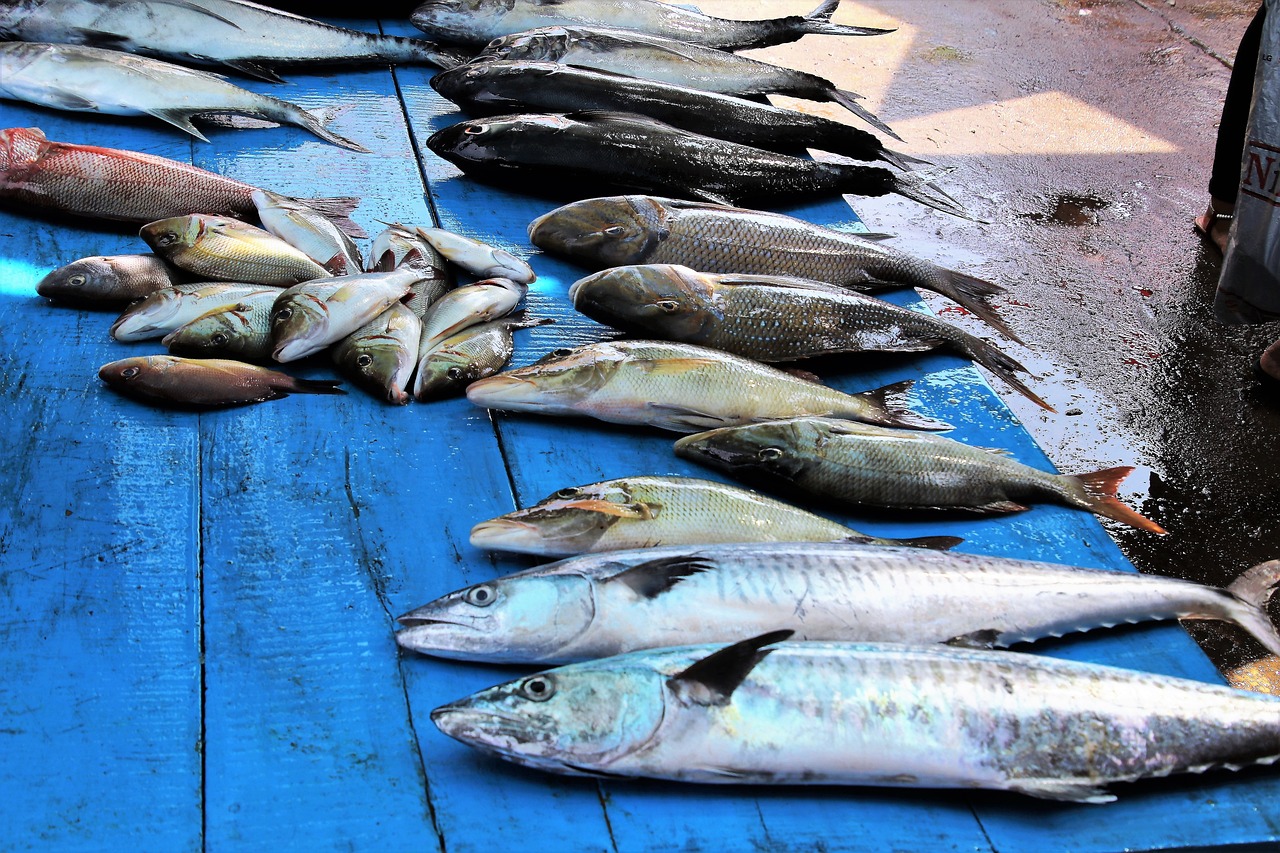
A visit to the Maputo Fish Market begins inside a large, warehouse-style building set just back from the water, where the city’s fishing economy is on full display. This is where the morning’s catch arrives, often landed only hours earlier, and where vendors lay out seafood on ice or concrete counters in full view. Expect to see prawns, lobster, mud crab, calamari, clams, octopus, line-caught fish, and seasonal species that reflect offshore conditions rather than fixed availability.
There are no menus or formal ordering systems. The process is visual, tactile, and conversational. Visitors walk slowly through the market, inspecting size, colour, and freshness, asking questions, and learning what is best that day. Vendors are accustomed to both local regulars and international travellers and will often suggest cuts or species suited to grilling, frying, or sharing. This exchange is part of the experience rather than a transaction to rush through.
Pricing is typically quoted per kilogram, and negotiation is expected, though it remains friendly and respectful. Bargaining here is less about aggressive discounts and more about social interaction, mutual understanding, and local rhythm. Most visitors find the process approachable, especially when approached with patience and curiosity.
Once seafood has been selected, the experience continues outside. Purchases can be taken away, but most visitors carry their bags across the road to the informal cooking stalls lining the waterfront. These independent kitchens charge a preparation fee per kilogram, usually payable in cash, and will confirm how you would like your seafood cooked before firing up the grill.
Maputo is a top Mozambique culinary destination
Eating at the Fish Market: Simple, Social, and Unrushed
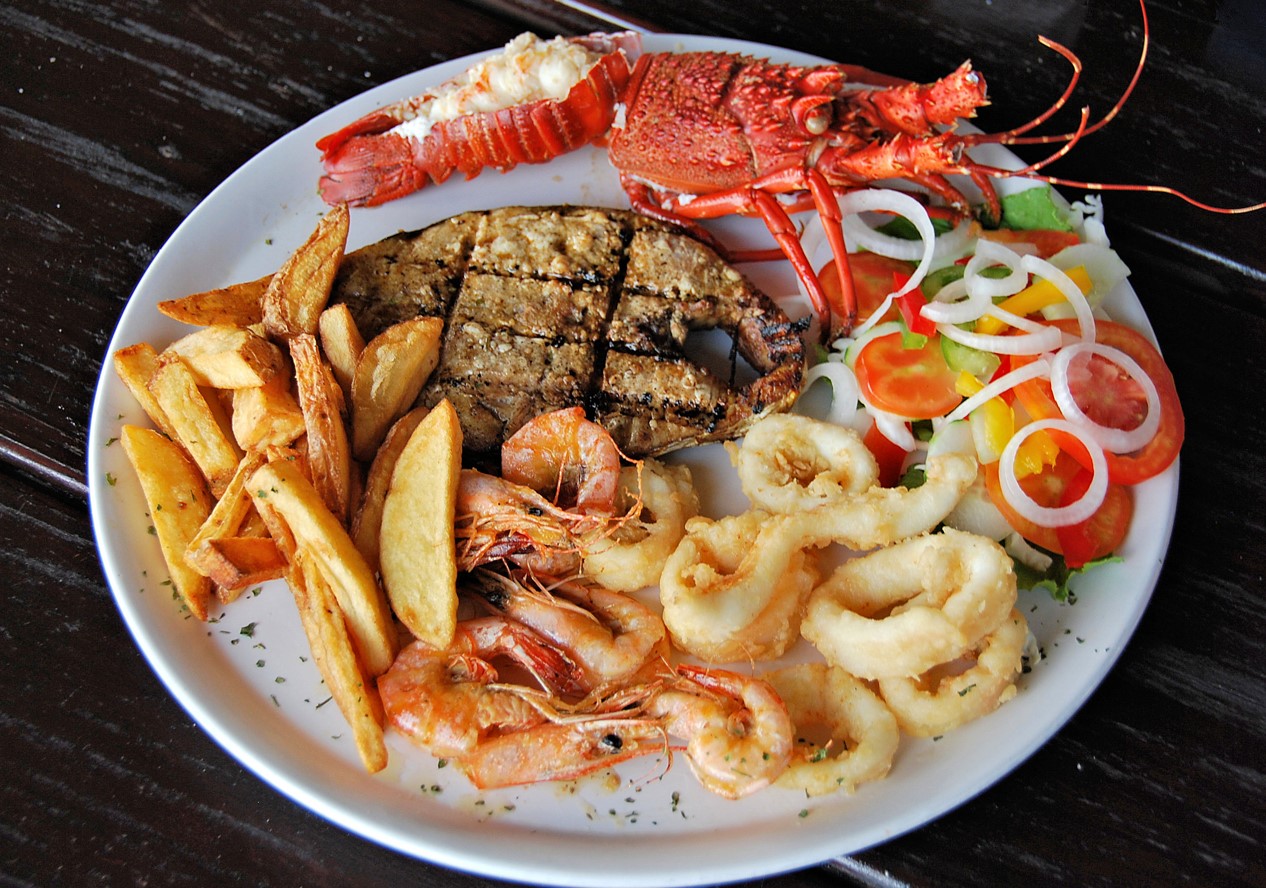
Eating at the Maputo Fish Market is deliberately uncomplicated, and that simplicity is exactly what makes it memorable. Seafood is typically cooked over open charcoal fires, allowing natural flavour to lead. Seasoning is minimal and traditional, usually salt, garlic, lemon, and peri-peri, with sauces added only if requested. There is no attempt to elevate or reinterpret the food. Freshness does the work.
Meals are served with straightforward accompaniments such as rice, salad, chips, and freshly baked bread, designed to complement rather than compete with the seafood. Plates arrive as they are ready, not all at once, reinforcing the unhurried pace that defines the market experience.
Waiting is part of the rhythm. Tables are often shared, conversations begin naturally, and the atmosphere becomes social rather than transactional. Locals linger with friends and family, beers are opened, and meals stretch longer than planned. For many travellers, this relaxed, communal pace becomes the most memorable aspect of the visit.
Signature choices include Mozambique’s renowned tiger prawns, often called LM prawns, prized for their size and sweetness. Lobster, mud crab, calamari, octopus, and whole grilled fish are equally popular depending on season and availability. Quality remains consistently high because supply is local, turnover is fast, and the market operates around daily demand rather than storage or freezing.
Eating at the Fish Market is not about refinement or presentation. It is about participation, patience, and connection, to food, to place, and to the everyday life of Maputo itself.
Best Time to Visit the Maputo Fish Market
Timing plays a significant role in how the Maputo Fish Market experience unfolds. Late morning through early afternoon is generally the most rewarding window, as the day’s catch has fully arrived, vendors are actively trading, and the cooking stalls are in full operation. This period allows visitors to browse comfortably, compare seafood quality, and enjoy lunch without feeling rushed.
Weekdays tend to be calmer and more navigable, making them ideal for first-time visitors who want space to walk, ask questions, and negotiate prices at an easy pace. Vendors are often more conversational during the week, and seating at the cooking stalls is easier to secure. For travellers interested in photography or deeper interaction, this quieter rhythm offers a more focused experience.
Weekends, particularly Sundays, are busier and more animated. The market becomes a social gathering point for Maputo residents, with families, groups of friends, and extended lunches stretching into the afternoon. While the atmosphere is lively and communal, it is also more crowded, with longer waits for cooking and fewer quiet moments. Visitors who enjoy energy, people-watching, and shared tables may find Sundays especially rewarding.
Seafood availability changes daily based on weather, tides, and fishing conditions. After rainfall or specific tidal shifts, vendors often report stronger inshore catches, particularly for crab, prawns, and certain line-caught fish. There is no fixed list of what will be available on any given day, and this unpredictability is central to the market’s appeal. Rather than arriving with expectations, travellers who remain flexible tend to enjoy the experience most.
Practical Tips for First-Time Visitors
The Maputo Fish Market rewards an unhurried mindset. Arrive hungry, allow time to wander, and resist the urge to rush decisions. The experience works best when treated as a social activity rather than a quick meal stop.
Dress casually and practically. Stay nearby if you can in some of our Maputo hotels close to the waterfront. Floors are often wet, and the environment is functional rather than polished. Comfortable shoes are essential, and light clothing suits the coastal setting. Carry cash, as both seafood purchases and cooking fees are typically paid in cash only, and vendors may not have change for large notes.
Service is informal and unstructured. There are no order numbers or fixed timelines, and meals arrive when they are ready. This relaxed pace is part of the experience rather than a drawback. Wash-up stations are usually available near the cooking areas, often providing warm water and soap after meals, which is especially welcome after handling prawns or crab.
Photography is generally accepted, but asking permission before photographing people is considered respectful. Engaging with vendors, cooks, and fellow diners is welcomed and often leads to better recommendations, cooking suggestions, or insight into what is freshest that day.
Where the Maputo Fish Market Is Located
The Maputo Fish Market, officially known as Mercado do Peixe, is located along Avenida Marginal in the Bairro Triunfo area, directly on the waterfront. It sits a short distance from Club Marítimo and is easily reached by taxi from central neighbourhoods such as Polana, Baixa, and Sommerschield.
Most taxi drivers recognise it simply as the Fish Market, and directions are straightforward. For visitors staying centrally, travel time is usually short, making it an easy addition to a morning or early afternoon plan.
Safety and Smart Travel Awareness at the Maputo Fish Market
The Maputo Fish Market is a relaxed, social environment, but it remains a busy public space, so basic awareness helps ensure a smooth experience. Most visitors encounter no issues, especially during daytime hours when the market is at its liveliest and most family-oriented. Late morning to early afternoon is ideal, with a steady flow of locals, vendors, and diners creating a comfortable, communal atmosphere.
Keep personal belongings secure and avoid placing phones or wallets on tables while eating. Carry only the cash you expect to spend, as purchases and cooking fees are typically cash-based. Floors can be wet and uneven, so practical footwear is recommended. Photography is generally fine, but it is courteous to ask before photographing vendors or staff.
Transport is best arranged in advance. Use a reputable taxi or hotel transfer rather than informal roadside lifts, especially if visiting for the first time. For added confidence, Mozambique Travel can advise on timing, transport, and how to approach the experience comfortably, allowing you to focus on enjoying the food and atmosphere rather than logistics.
Including the Fish Market in Your Maputo Itinerary
The Fish Market works best as a daytime experience and is most naturally paired with a relaxed morning, coastal walk, or light sightseeing before or after lunch. It fits seamlessly into short city stays and serves as an excellent introduction to Maputo’s food culture before moving on to more formal restaurants or nightlife later in the trip.
For travellers combining Maputo with beach destinations such as Vilanculos or the Bazaruto Archipelago, the Fish Market offers a grounded, local contrast to resort dining. It provides context for Mozambique’s coastal cuisine and reinforces the connection between fishing, food, and daily life.
Mozambique Travel can assist with timing advice, transport arrangements, and guided visits as part of a Maputo city break. For travellers unfamiliar with the city, using a local driver or guide helps remove uncertainty while preserving the informal, authentic nature of the experience.

Mozambique Seafood Specialties You Will Only Find Here
What truly elevates the Maputo Fish Market beyond a generic seafood market is the concentration of species that are either rare elsewhere or rarely this fresh. Mangrove crabs are one of the most prized catches, pulled from tidal estuaries and mangrove systems north and south of the city. These crabs are dense, sweet, and rich, and are typically sold live at the market, a clear indicator of quality. When grilled simply or lightly spiced, mangrove crab offers a depth of flavour that many travellers have never experienced before, even in other coastal destinations.
Clams and bivalves are another quiet standout. Harvested from shallow coastal flats and estuaries, they arrive at the market hours after being collected and are usually cooked immediately over open flame. Their flavour is clean and mineral, reflecting the Indian Ocean rather than heavy seasoning. For travellers interested in understanding Mozambique’s lesser-known seafood traditions, these shellfish provide insight into everyday coastal cooking rather than restaurant reinterpretations.
Why Mozambique’s Lobster and LM Prawns Are World-Class
Mozambique is internationally respected for its lobster and prawns, and the Fish Market is where that reputation becomes tangible. Lobsters sold here are typically wild-caught rather than farmed, sourced from reef systems and deeper offshore waters. The meat is firm, naturally sweet, and requires very little preparation. At the market, lobster is most often split and grilled, allowing the quality of the flesh to speak for itself rather than being masked by sauces.
Mozambique’s LM prawns, known globally as some of the finest prawns in the world, are the undisputed stars. Named after the former city of Lourenço Marques, these tiger prawns are large, meaty, and intensely flavoured due to warm currents, nutrient-rich waters, and natural feeding grounds. At the Maputo Fish Market, LM prawns are grilled whole or lightly fried, often with nothing more than peri-peri, lemon, and garlic. The result is a dish that consistently ranks among the most memorable seafood experiences for visitors to Southern Africa.
Together, these species explain why the Maputo Fish Market is not simply a place to eat, but a showcase of Mozambique’s marine wealth. For travellers who value provenance, freshness, and flavour over presentation, this is where Mozambique’s seafood reputation is fully earned.
Plan Your Trip to the Maputo Fish Market
The Maputo Fish Market is best experienced as part of a thoughtfully planned city stay rather than a rushed stop between other activities. Timing, transport, and accommodation location all shape how relaxed and rewarding the visit feels. Travellers staying near the Marginal or Polana areas can reach the market easily by taxi or organised transfer, making it ideal for a late-morning visit that flows naturally into lunch and a slow afternoon by the water. Allowing enough time to browse, talk to vendors, and wait for food is essential, this is not an experience designed to be hurried.
For first-time visitors to Maputo, local guidance adds value. Knowing when catches are strongest, which vendors are most reliable on the day, and which cooking stalls best suit your preferences removes guesswork while preserving the market’s informal character. The Fish Market also pairs well with a short coastal walk, a relaxed afternoon back at your hotel, or as a grounding introduction before exploring Maputo’s restaurants and nightlife later in your stay.
Mozambique Travel assists with integrating the Fish Market seamlessly into a Maputo itinerary. We arrange accommodation close to key areas, organise trusted transport, and provide practical advice so the experience feels confident and enjoyable rather than uncertain. Whether Maputo is a short city break or part of a wider journey to Vilanculos or the Bazaruto Archipelago, the Fish Market adds a memorable, distinctly Mozambican layer to your trip.