

Guide to Maputo Restaurants and Nightlife in 2026
An Insider Guide to Restaurants and Nightlife in Maputo
Maputo’s food and nightlife scene is one of the most distinctive in Southern Africa, shaped by long social meals, live music, and a relaxed rhythm that unfolds naturally rather than on demand. This guide brings together everything visitors need to know about where to eat, drink, and spend their evenings in Mozambique’s capital, from established seafood restaurants and neighborhood cafés to live music venues, bars, and traveler-appropriate nightlife spots.
As the cultural and commercial heart of Mozambique, Maputo is a city where people gather to eat well, connect, and unwind in the restaurants, clubs and nightlife in Maputo. Restaurants are central to daily life, and evenings often begin with food before moving on to drinks or music rather than the other way around. For visitors, this creates a nightlife experience that feels social and immersive rather than loud or forced.
Maputo’s after-dark appeal lies in variety rather than spectacle. Jazz cafés, wine bars, coastal restaurants, live music venues, and late-opening social spots coexist across the city, allowing travelers to shape evenings to suit their pace and mood. Whether you are looking for a relaxed dinner with ocean air, a lively bar with a mixed local and visitor crowd, or live music that reflects the city’s creative energy, Maputo offers depth without excess.
For travelers including Maputo as a city break or as part of a broader Mozambique itinerary, its restaurants and nightlife add an essential layer of culture and atmosphere. This guide focuses on helping visitors choose well, enjoy evenings confidently, and experience the city’s social heartbeat in a way that feels authentic, comfortable, and memorable.
Why Maputo’s Food and Nightlife Scene Feels Different
Maputo is not a city that performs for visitors. It feeds itself, socializes loudly, and moves to its own rhythm, and travellers are invited to join rather than observe. For food lovers, music fans, and culturally curious travellers, Maputo remains Mozambique’s most rewarding urban destination in 2026.
Unlike resort towns where dining and nightlife exist to serve tourism, Maputo’s restaurant and bar scene is built around local life. Business dinners run late. Live music starts when the crowd arrives, not at a scheduled time. Seafood restaurants fill up because the food is good, not because they are trending online. This authenticity is what makes eating and going out in Maputo feel immersive rather than staged.
For travellers combining a city stay with beach destinations such as Vilanculos or the Bazaruto Archipelago, Maputo adds depth. It delivers flavours, sound, conversation, and context before the quiet of the coast, or as a lively re-entry point after island time.
Understanding Maputo’s Food and Nightlife Culture
Food and nightlife in Maputo are inseparable from the city’s social structure. Meals are communal, unhurried, and often extend for hours. Bars are places to talk as much as drink. Music is woven into daily life rather than confined to clubs.
Mozambican cuisine reflects centuries of cultural exchange. Portuguese technique, African ingredients, Indian and Middle Eastern spice influences, and coastal seafood traditions combine into something distinctively Mozambican. Prawns, crab, calamari, and lobster dominate menus, but the real appeal lies in balance rather than extravagance.
Nightlife follows a similar pattern. Maputo does not revolve around high-intensity clubbing alone. Jazz cafés, live music venues, wine bars, informal street bars, and late-night restaurants all play a role. Travellers who approach the city with curiosity rather than a checklist consistently get more from the experience.
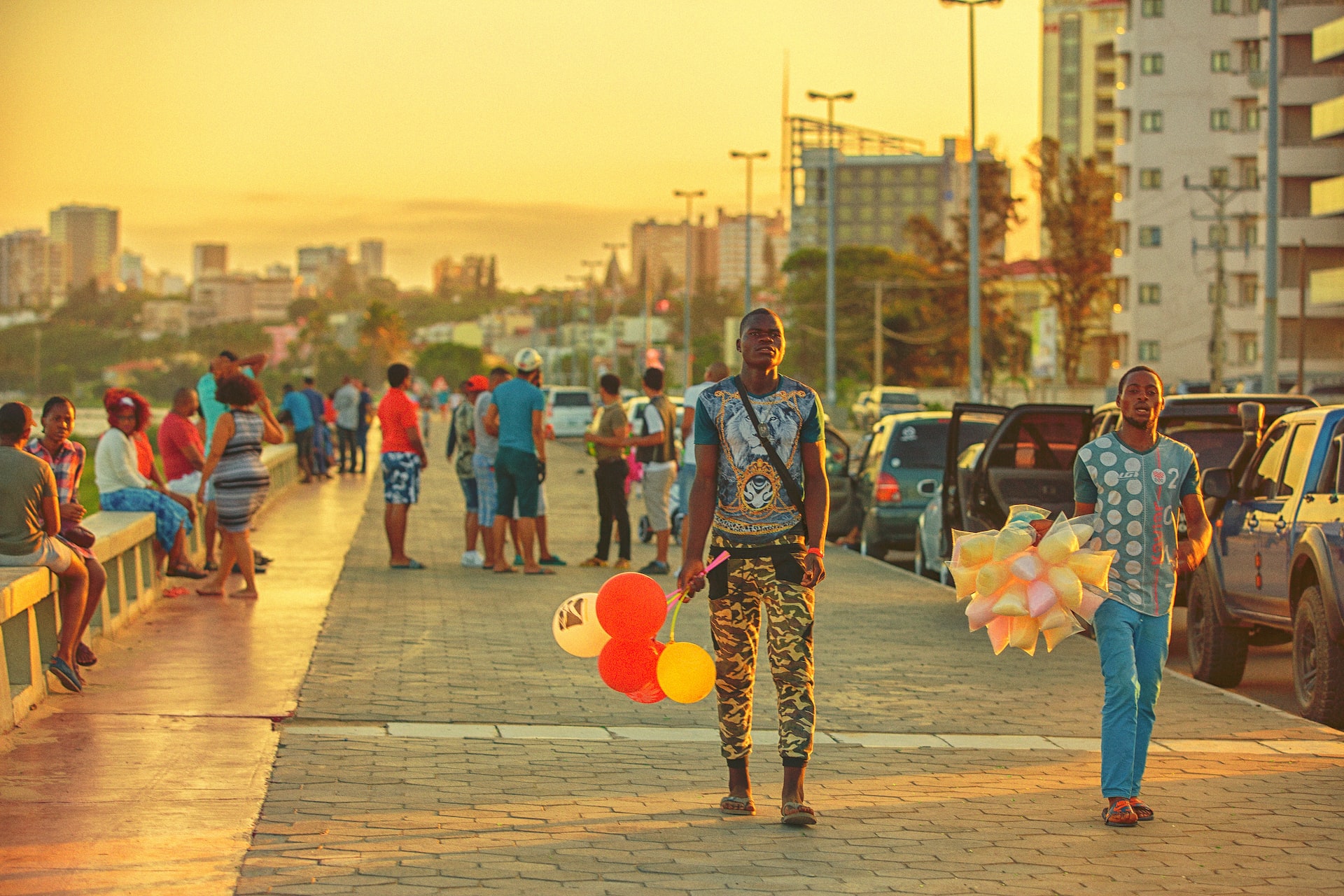
The Best Areas for Restaurants and Nightlife in Maputo
Maputo’s dining and nightlife scene is spread across several distinct neighbourhoods, each offering a different experience depending on where travellers stay, how they like to move around, and what type of evenings they enjoy. Understanding these areas helps visitors plan meals and nights out efficiently, especially on short city stays or when Maputo is combined with a beach holiday.
The Marginal and Polana areas form the city’s most established dining corridor. This coastal stretch is home to many of Maputo’s best known restaurants, higher-end hotels, and oceanfront venues, making it a natural base for travellers who prioritize convenience and walkable access to dining. Restaurants here often specialize in seafood, long lunches, and relaxed evening meals with bay views. The area works particularly well for first-time visitors, business travellers, and those staying only a few nights who want reliable dining without complex transport planning.
Baixa, Maputo’s historic downtown district, offers a more everyday and locally grounded food culture. Restaurants, cafés, and bars here primarily serve office workers, creatives, and long-time residents, resulting in a less polished but more authentic atmosphere. Dining in Baixa is often informal, affordable, and focused on consistency rather than presentation. This area suits travellers interested in local rhythms, daytime exploration, casual lunches, and early evening meals before returning to their accommodation.
Alto-Maé and Sommerschield have emerged as Maputo’s creative and cultural hubs. These neighbourhoods host independent galleries, live music venues, contemporary cafés, and newer dining concepts that appeal to artists, younger professionals, and culturally curious travellers. Nightlife here tends to centre on live music, social bars, and smaller venues rather than large nightclubs. Travellers seeking a deeper sense of Maputo beyond the main tourist zones often find these areas the most rewarding, particularly when paired with local recommendations or guided insight.
Together, these neighbourhoods create a layered dining and nightlife landscape. Rather than one central entertainment district, Maputo rewards travellers who understand where to eat and go out based on time of day, mood, and proximity. This diversity is a key reason the city continues to appeal as a short stay destination and culinary capital in 2026.
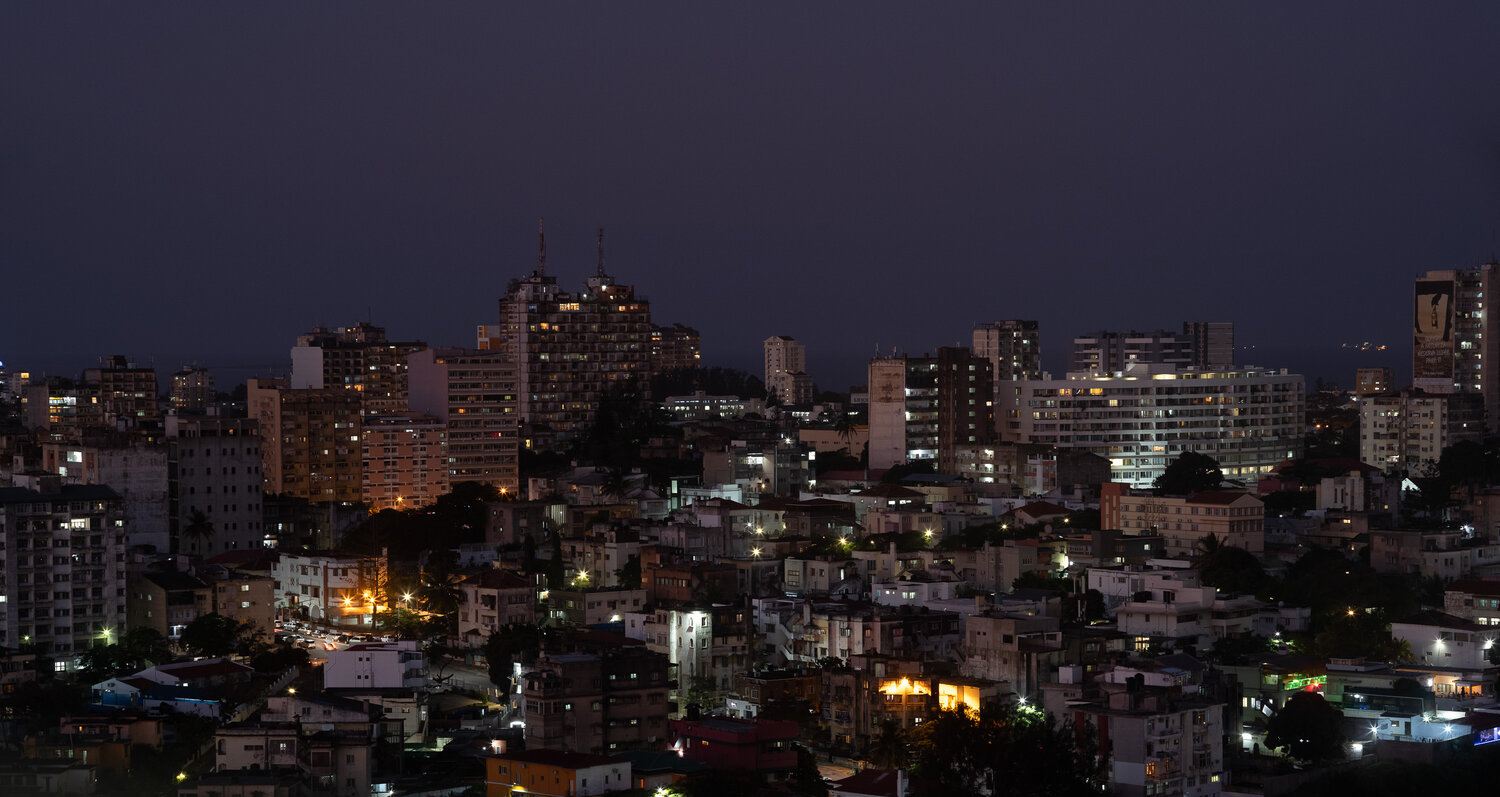
Live Music, Bars, and Nightlife in Maputo
Maputo’s nightlife is driven by music first, not spectacle. Long before clubs fill up, the city warms into the evening through live performances, casual drinks, and social spaces where locals and visitors mix naturally. Nights tend to start late, build gradually, and move fluidly between dinner, music, and dancing rather than following a rigid clubbing schedule.
Live music is central to this rhythm. Jazz, soul, Afro-fusion, and traditional Mozambican styles are woven into the city’s social fabric, with Marrabenta remaining a defining influence. This homegrown music and dance style continues to shape modern sounds heard across Maputo’s venues, blending traditional rhythms with hip hop, electronic, and contemporary African genres. For travellers interested in culture as much as nightlife, Maputo offers something far more layered than a standard party scene.
Bars and cafés play an equally important role. Wine bars, cocktail lounges, and street-level hangouts attract professionals, creatives, and students, particularly during the week. These spaces are lively without being chaotic, making them ideal for pre-club drinks or entire evenings spent talking, listening to music, and watching the city move around you. Many of the most memorable nights happen midweek, reflecting Maputo’s strong after-work culture rather than weekend-only partying.
For those seeking higher energy, Maputo’s club scene delivers. Venues like Africa Bar are known for live jazz nights and well-dressed local crowds, while Coconut Live offers a more traditional club experience with a large dance floor, beachfront setting, and late-night momentum, especially on weekends. These clubs attract a younger crowd looking to dance well into the early hours.
More alternative venues add depth to the scene. Café Camissa blends live music, food, art, and performance into an informal, creative space that appeals to travellers wanting something less commercial. Xima Bar is popular for its authentic atmosphere and Marrabenta dancing, while 1908 offers a characterful setting where dining, dancing, and people-watching merge naturally.
Maputo’s nightlife works best for travellers who stay flexible. Rather than chasing a checklist of clubs, following local recommendations, moving with the energy of the evening, and allowing nights to unfold organically leads to the most rewarding experiences. This mix of music, culture, and social connection is what makes Maputo one of Southern Africa’s most distinctive cities for young travellers and party-focused visitors in 2026.
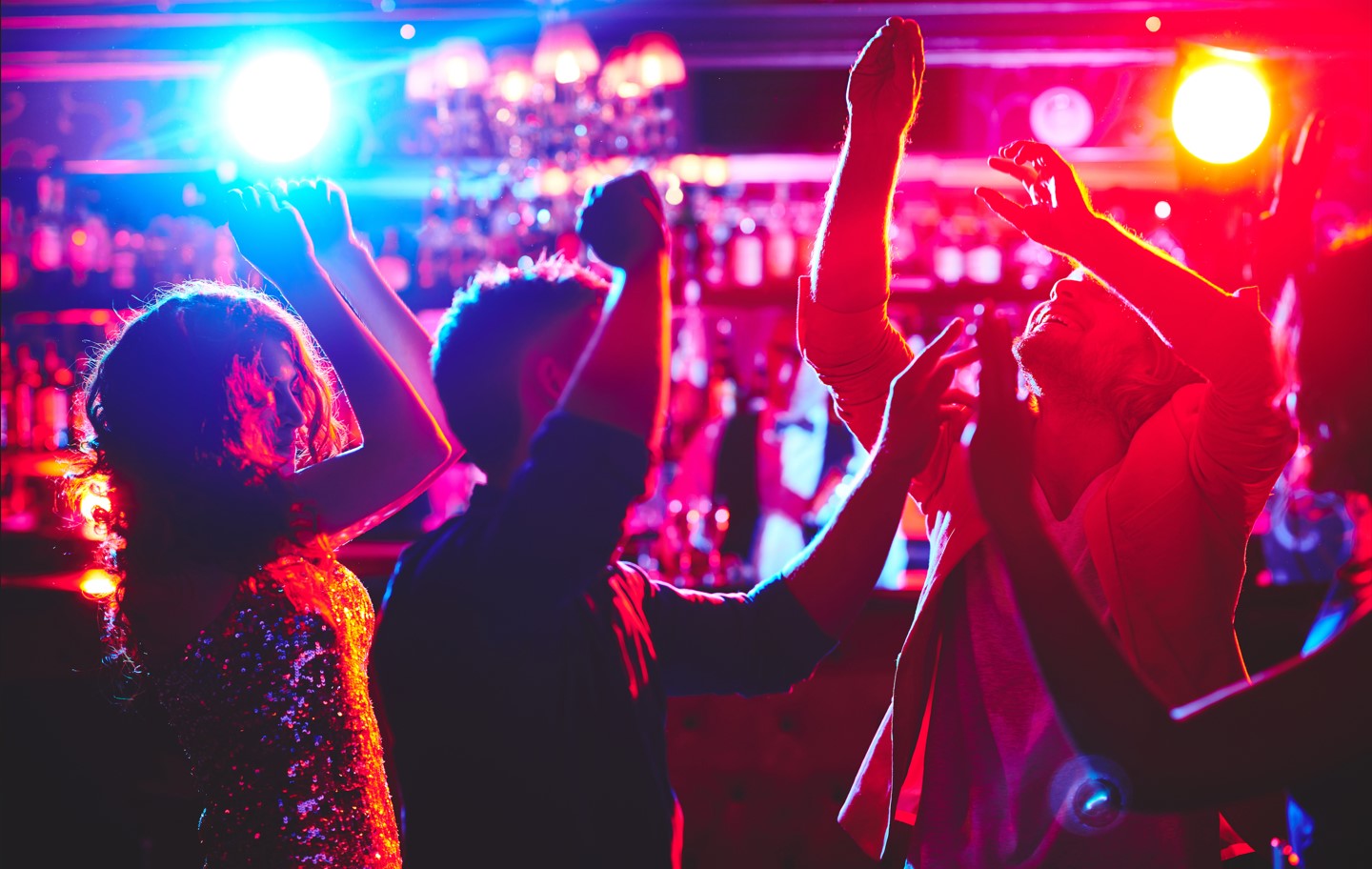
The 10 Best Restaurants in Maputo
Most visitors arrive in Maputo expecting exceptional seafood, and the city continues to deliver some of the finest ocean-focused dining in Southern Africa. What surprises many travellers in 2026 is how broad and confident Maputo’s restaurant scene has become. While prawns, lobster, calamari, and line-caught fish remain centre stage, the best restaurants now combine consistency, atmosphere, and cultural depth rather than relying on reputation alone.
Maputo’s cuisine mirrors its layered history. Portuguese technique, African ingredients, Arab spice routes, and Indian Ocean trade influences all shape the menus found across the city. Signature dishes such as matapa, peri-peri chicken, grilled seafood platters, curries, and samoosas sit comfortably alongside Italian, Mediterranean, and contemporary fusion cooking. This balance allows travellers to eat adventurously without feeling disconnected from local identity.
Oceanfront restaurants along the Marginal remain a defining part of the Maputo experience. These venues specialise in long lunches, sunset dinners, and relaxed pacing, often with views of dhows drifting across the bay. Restaurants such as Zambi combine setting with quality, offering refined African-Asian fusion menus, strong wine lists, and an atmosphere that suits both visitors and locals. Meals here are rarely rushed, reinforcing Maputo’s reputation as a city where dining is an event rather than a transaction.
Away from the water, some of Maputo’s most rewarding meals are found in neighbourhood restaurants with loyal local followings. Places like Sagres Shellfish Restaurant are valued not for trendiness, but for consistency, generous portions, and well-executed classics such as grilled lobster, prawns, and traditional starters. These restaurants appeal to travellers who prioritise food quality over décor and enjoy eating where residents return again and again.
Maputo’s dining scene also benefits from creative, cross-disciplinary spaces. Dhow Café, for example, blends food, art, and design into a relaxed garden-style setting overlooking the bay and suspension bridge. These hybrid venues reflect the city’s evolving identity and appeal to travellers looking for more than conventional restaurant formats.
Italian and Mediterranean restaurants such as Campo di Mare and MarNaBrassa add further depth, offering reliable alternatives to seafood-heavy menus while still embracing the coastal setting. Their beachfront locations, informal service, and generous dishes make them popular for daytime meals and early evenings, particularly for short-stay visitors.
What defines the best restaurants in Maputo in 2026 is not novelty, but rhythm. Dining here is social, unhurried, and shaped by conversation rather than courses. Whether eating at an oceanfront institution or a modest local favourite, travellers who allow time for meals tend to experience the city at its best. This culture of eating well, slowly, and communally is what continues to set Maputo apart as a genuine culinary destination rather than a checklist city.
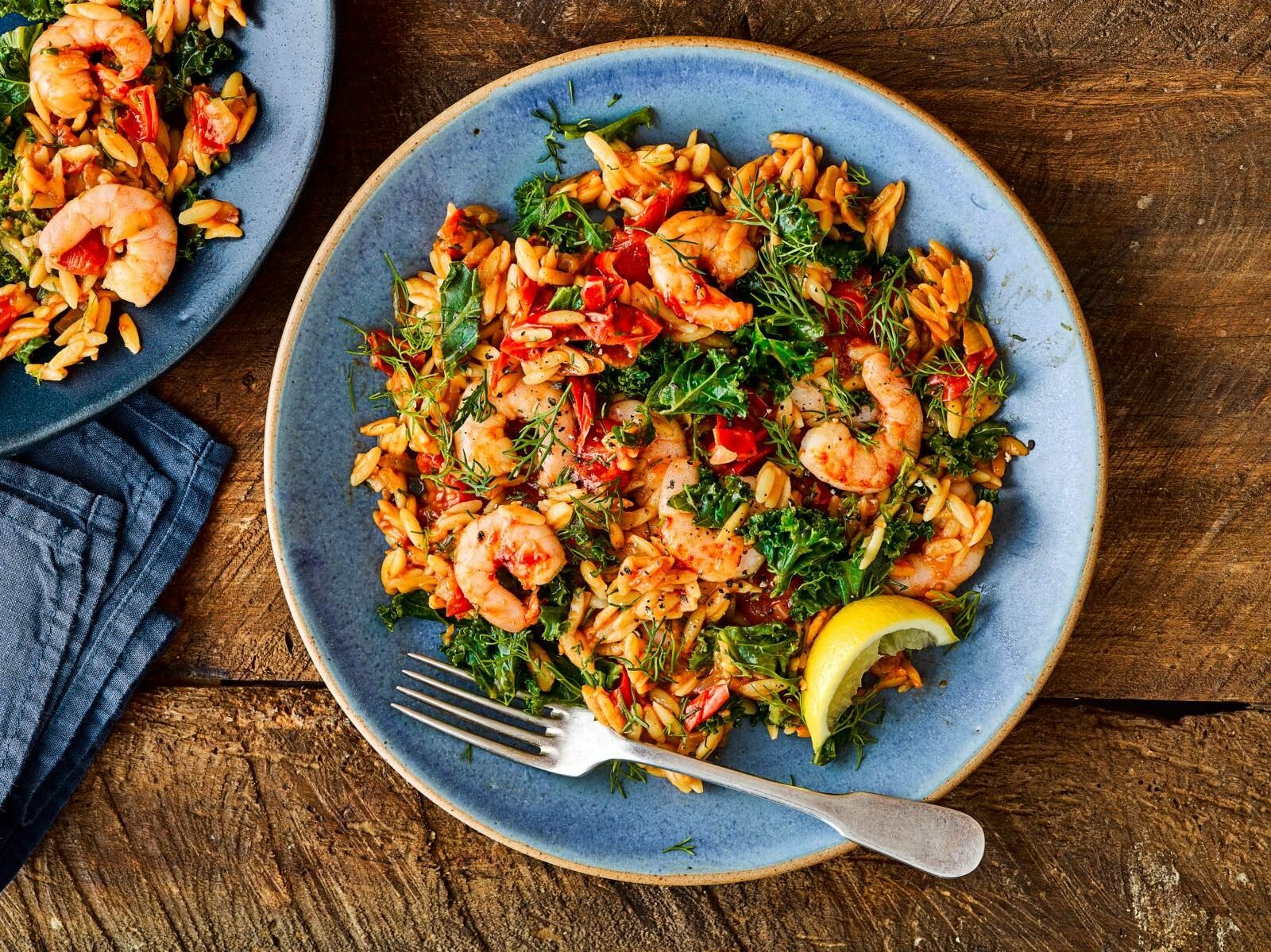
The Maputo Fish Market: A Local Essential
The Maputo Fish Market, Mercado do Peixe, remains one of the city’s most authentic and unfiltered food experiences. This is not a curated attraction designed for visitors. It is a functioning coastal market where Maputo’s relationship with the ocean plays out daily, and that is precisely what makes it essential.
Located on the waterfront, the market brings together fishermen, traders, families, and cooks in a setting that feels purposeful rather than performative. Vendors display the day’s catch directly on ice or wooden counters, offering prawns, lobster, line-caught fish, calamari, crab, and clams, all priced by weight and freshness rather than menu descriptions. Negotiation is expected, interaction is personal, and selection is tactile. Visitors point, ask questions, and make choices based on sight rather than reputation.
The experience continues across the road at a collection of informal cooking stations, where your chosen seafood is prepared simply and well. Grilling is the norm, often over charcoal, with minimal seasoning beyond salt, lemon, garlic, and peri-peri. The emphasis is on freshness rather than technique, and meals arrive when they are ready, not when ordered. This slow, social pace encourages conversation, shared tables, and a sense of participation rather than consumption.
The Fish Market works best as a daytime experience, particularly late morning into early afternoon. Weekends are especially lively, with local families gathering to eat, talk, and spend time by the water. Children play nearby, groups linger over beers and plates of seafood, and the atmosphere feels communal rather than commercial. Visitors who arrive with patience and curiosity tend to leave with a deeper understanding of how Maputo eats and socialises.
More than a place to eat, the Fish Market offers insight into everyday Mozambican food culture. It reflects values of freshness, simplicity, and shared experience rather than presentation or trend. For travellers who want to understand Maputo beyond restaurants and nightlife, this is one of the clearest windows into the city’s coastal identity.

Where to Stay for Easy Access to Dining and Nightlife in Maputo
Where you stay in Maputo has a direct impact on how easily you experience the city’s food, music, and nightlife. Accommodation located near the Marginal, Polana, Baixa, or Sommerschield areas allows travellers to move between restaurants, bars, and live music venues without complicated transport arrangements. For short city stays, this proximity matters more than luxury alone.
Maputo offers a wide range of accommodation styles, from historic landmark hotels to modern city properties and smaller boutique guesthouses. Many experienced travellers prioritise location, reliability, and local knowledge over size or scale, choosing hotels that support relaxed evenings and smooth logistics rather than isolated properties that require constant transfers.
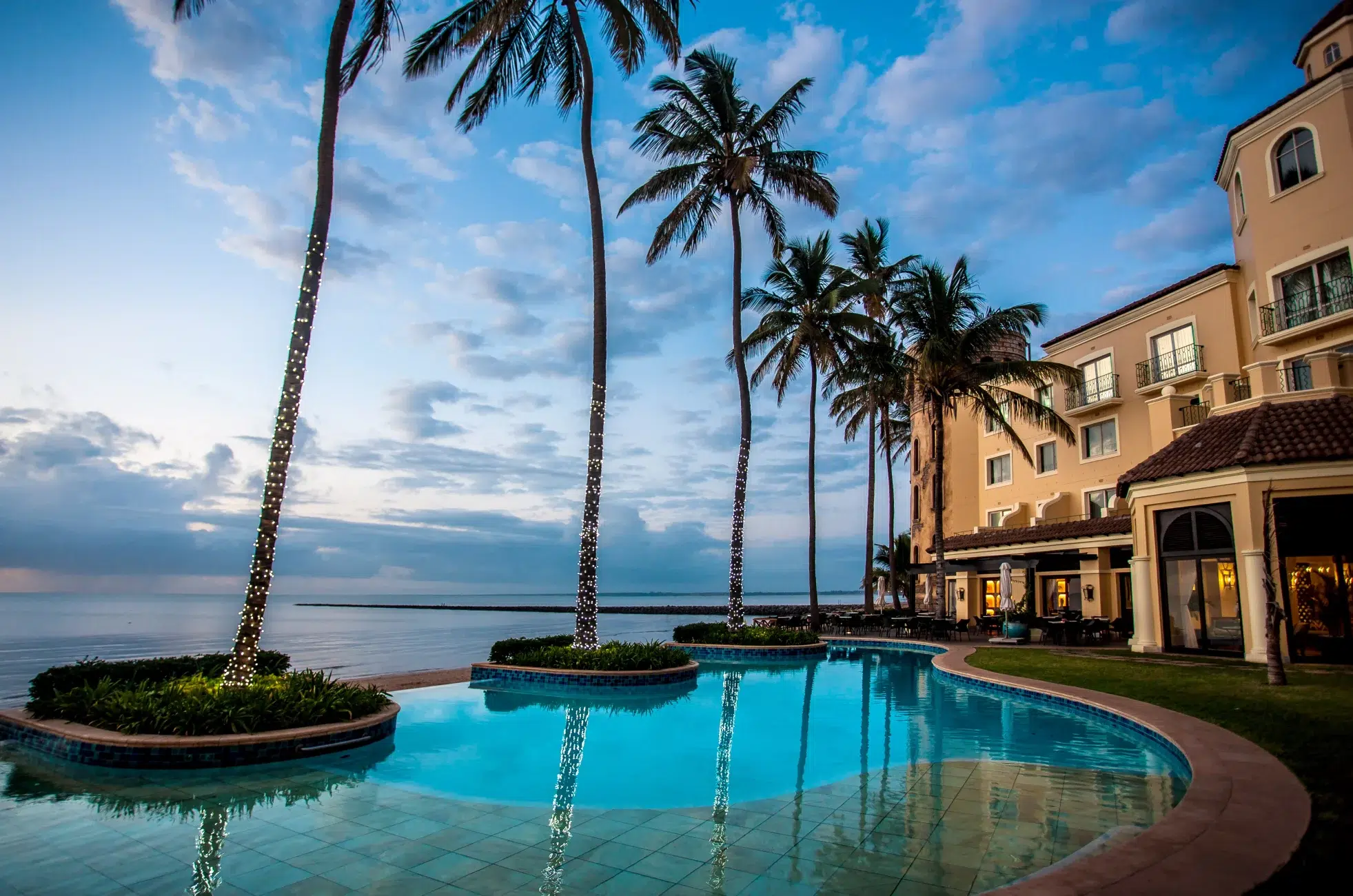
The Polana district remains one of the most practical bases for dining-focused stays. Properties such as Polana Serena Hotel offer classic city positioning with easy access to the Marginal, embassies, restaurants, and cultural venues. The Polana Serena is a long-standing institution, valued for its gardens, pools, and refined atmosphere, and works well for travellers seeking comfort and walkable access to Maputo’s social life.
Along the bay, hotels such as Southern Sun Maputo and Radisson Blu Hotel & Residence Maputo appeal to visitors who want ocean views combined with straightforward access to waterfront restaurants and bars. These properties suit both leisure travellers and business guests who want to step out for dinner without navigating unfamiliar neighbourhoods late at night.
For travellers looking for a more intimate city stay, Villa das Arábias Boutique Hotel offers a quieter, character-driven option in the Polana area. This small boutique hotel is well regarded for its rooftop bar, personalised service, and proximity to both business and dining districts, making it a strong choice for couples and solo travellers on short visits.
Business-oriented hotels such as Hotel Avenida and Pestana Rovuma Hotel also work well for dining-focused stays, particularly for travellers attending meetings but wanting easy access to restaurants and nightlife after hours. Their central locations, in-house facilities, and transport support simplify movement around the city.
Short stays benefit most from accommodation that offers reliable transfers, clear local advice, and flexible services rather than oversized resort-style amenities. Hotels that understand Maputo’s rhythms, including when and where to go out, help visitors enjoy evenings confidently and return comfortably, especially on first visits. Choosing the right base allows Maputo’s dining and nightlife scene to feel accessible and rewarding rather than logistically complex.
Safety and Smart Travel Awareness in Maputo
Maputo is a functioning capital city with a lived-in rhythm, and safety here is best understood through awareness and planning rather than fear. Most visitors spend their time in established areas such as Polana, the Marginal, Baixa, and Sommerschield, where hotels, restaurants, cultural venues, and transport networks are well established. When travel is planned realistically, Maputo is a comfortable and rewarding city for short stays and city breaks.
Like any urban destination, Maputo requires situational awareness. Daytime movement in central neighbourhoods is generally relaxed, especially for travellers using reputable accommodation and organised transport. Walking is common during the day in coastal and historic areas, while evenings are best managed using hotel transfers or trusted taxis rather than long-distance walking between venues. This approach aligns with how locals and experienced visitors move through the city.
Petty crime can occur, particularly opportunistic theft, but serious incidents involving visitors are uncommon when basic precautions are followed. Keeping valuables discreet, avoiding poorly lit areas late at night, and following local advice significantly reduces risk. Reputable hotels maintain security protocols and can advise guests on current conditions, venues, and transport options.
Maputo has access to private medical facilities, pharmacies, and emergency services, and most established hotels have clear procedures for guest support. Travellers combining Maputo with beach destinations or onward travel benefit from understanding logistics in advance rather than making decisions on arrival.
Mozambique Travel provides calm, up-to-date safety guidance tailored to city stays and combined itineraries. This practical, informed approach allows travellers to move confidently, enjoy Maputo’s culture and nightlife, and focus on experience rather than uncertainty.
When to Experience Maputo’s Food and Nightlife
Maputo’s dining and nightlife scene operates confidently year-round, with seasonal shifts influencing atmosphere and pace rather than limiting what is available. Restaurants, bars, live music venues, and social spaces remain active across the calendar, making Maputo a dependable city destination rather than a place that only works at certain times of year.
During the cooler, drier months, the city lends itself to walking-based exploration. Evenings are comfortable, which encourages long dinners, gallery visits, live music sessions, and bar hopping without heat fatigue. This period suits travellers who enjoy slower, layered experiences and want to spend time moving between neighbourhoods on foot or with short transfers.
Warmer months bring a different rhythm. Coastal restaurants along the Marginal become social hubs for extended lunches, late sunsets, and outdoor dining that stretches into the evening. Bars and open-air venues feel more animated, and the city’s energy shifts toward the water without losing its culinary or cultural depth. Dining schedules adjust naturally, with later starts and longer, more relaxed meals.
For travellers combining Maputo with Vilanculos or the Bazaruto Archipelago, timing is usually driven by coastal conditions rather than the city itself. In this context, Maputo works as a cultural and culinary anchor that frames the wider journey. It adds contrast before the slower pace of the beach or provides a soft landing after time spent on islands, regardless of season. This flexibility is one of the reasons Maputo continues to work so well as part of a Mozambique itinerary in 2026.
Maputo’s Gay Bars, Clubs, and LGBTQ+ Scene
Maputo offers a quietly vibrant and welcoming LGBTQ+ scene that reflects the city’s broader culture of openness and social connection. While it is not a large-scale party destination like some international capitals, the gay community in Maputo is visible, active, and integrated into the city’s nightlife rather than isolated into a single district. This creates an atmosphere that feels inclusive and relaxed rather than commercial or staged.
Many LGBTQ+ travellers find that Maputo’s social life blends naturally across venues. A number of popular bars, live music spaces, and clubs attract mixed crowds where locals and visitors of all orientations socialise comfortably together. This makes it easy for gay travellers to enjoy the city’s nightlife without needing to seek out exclusively gay venues every evening.
That said, Maputo does have specific LGBTQ+-friendly bars and club nights that are well known within the community. These spaces tend to focus on music, dancing, and social interaction rather than formal scenes. Events are often hosted weekly or monthly rather than operating as full-time venues, so checking locally or asking hotel staff who are familiar with the nightlife scene is the best way to find what is happening during your stay.
The atmosphere across Maputo’s LGBTQ+ nightlife is generally friendly, expressive, and community-driven. Dance floors often feature a mix of Afrobeat, house, pop, and local music styles, while quieter bars provide space for conversation and connection. Travellers regularly comment on how welcoming locals are, with visitors easily joining social groups and being included in conversations.
Mozambique is legally progressive in relation to LGBTQ+ rights compared to many African countries, and in Maputo particularly, same-sex couples and travellers are rarely singled out in social venues. As with any destination, discretion is advised in more traditional neighbourhoods, but in central areas, restaurants, hotels, and nightlife spots are typically comfortable and accepting.
For LGBTQ+ travellers seeking culture, food, music, and a social scene that feels authentic rather than commercial, Maputo offers a refreshing alternative to more crowded party cities. Its inclusive atmosphere, combined with strong dining and live music culture, makes it an enjoyable and low-pressure destination for gay travellers in 2026.
Plan Your Trip to Maputo
Maputo works best as part of a balanced Mozambique itinerary rather than a standalone stop. Whether planned as a short city break, a food-focused stopover, or a cultural add-on before or after Vilanculos or the Bazaruto Archipelago, the city adds depth and contrast to a coastal holiday. Its value lies in rhythm rather than volume, with space for dining, walking, music, and conversation without the pressure to see everything at once. Thoughtful planning around accommodation location, transport, and pacing ensures Maputo feels engaging and rewarding rather than overwhelming.
Mozambique Travel helps travellers integrate Maputo naturally into their wider journey. With 20 years of experience booking Mozambique holidays, we advise on where to stay for easy access to restaurants and nightlife, which dining experiences match your travel style, and how to move confidently through the city. We also coordinate flights, transfers, and onward travel to Vilanculos and the Bazaruto Archipelago, allowing Maputo to flow seamlessly into a beach or island stay. The result is a city experience that feels purposeful, comfortable, and well connected rather than incidental.