

Gorongosa National Park as E. O. Wilson’s Living Laboratory
From Ants to Gorongosa’s Legacy in Mozambique
The legacy of E. O. Wilson in Gorongosa National Park is reshaping African conservation and setting new standards for scientific research. Wilson’s extraordinary career, often compared to a dramatic novel or award-winning film, made Gorongosa his living laboratory. His influence brought global attention to Mozambique’s flagship national park and helped secure its future as one of the continent’s most important conservation success stories. Recognized as the most important naturalist since Darwin and widely called the father of modern biodiversity, Wilson’s involvement in Gorongosa turned a recovering wilderness into a beacon of ecological hope.
A Lifelong Fascination with Ants
Wilson’s passion for nature began early. As a child, he lost most of his vision in his right eye after a fish fin accident. This limitation shaped his scientific path, leading him to focus on creatures he could observe up close: ants and other insects. His deep fascination with these tiny architects of ecosystems revealed profound truths about cooperation, adaptation, and the interconnectedness of life. Ants became both his gateway to science and a lifelong subject of study, with discoveries that influenced ecology, evolutionary biology, and conservation strategies worldwide. Over time, his pioneering ant research expanded into a broader vision of biodiversity, linking the smallest organisms to the grandest ecosystems, a perspective that deeply informed his later conservation work in Gorongosa National Park.
A Giant in Modern Science
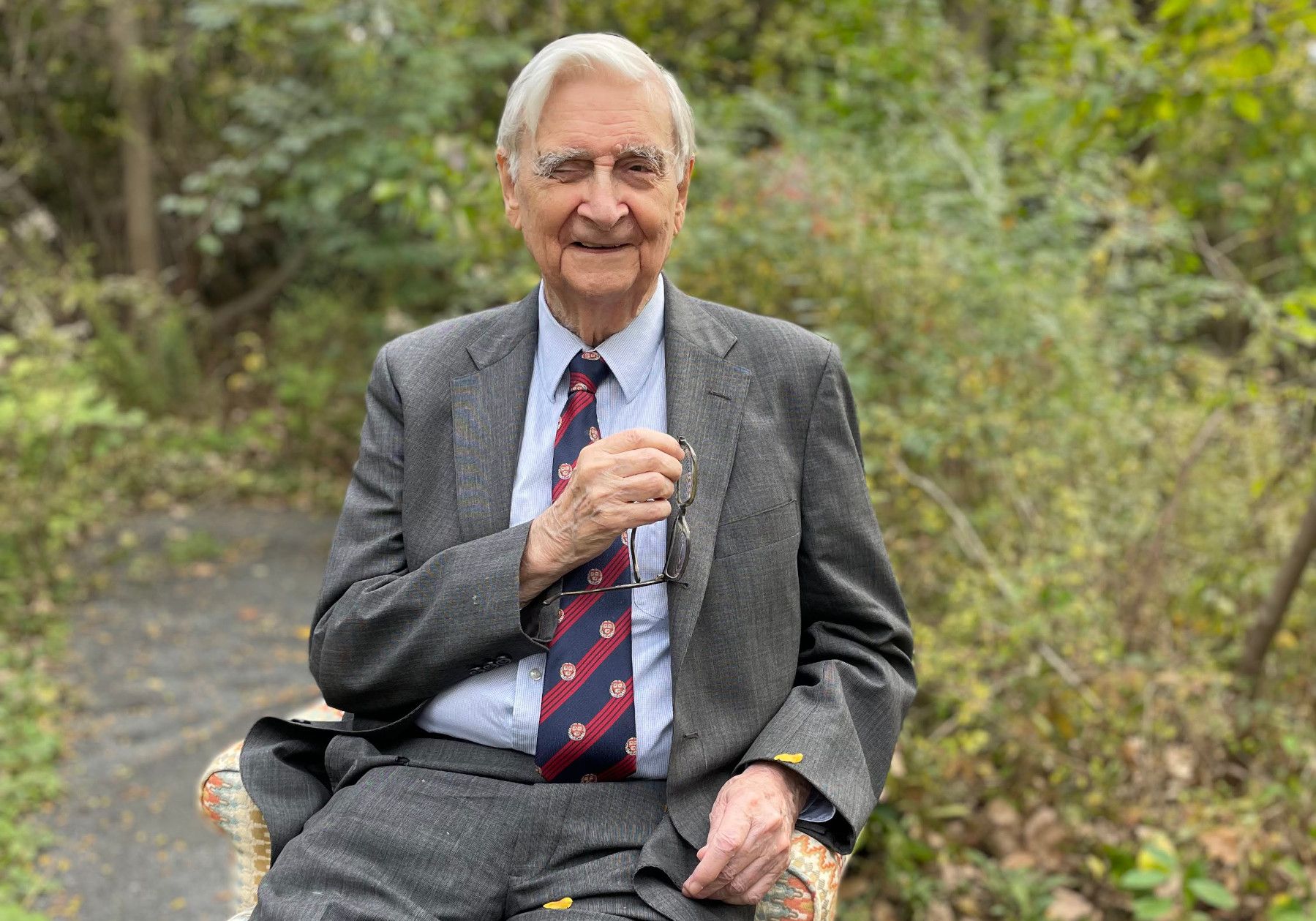
Edward Osborne Wilson, affectionately known as E. O. Wilson, was more than a brilliant scientist. He was a storyteller, educator, and advocate for protecting the natural world. His work bridged the gap between scientific research and public awareness, inspiring new generations to see biodiversity as essential to human survival. Wilson’s ability to combine rigorous research with accessible writing established him as a scientific leader who illuminated the delicate balance between humans and ecosystems. His insights continue to inspire conservation initiatives across the globe, including the remarkable story of Gorongosa.
Gorongosa: A Living Laboratory in Mozambique
For Wilson, Gorongosa National Park became the perfect place to put his vision of biodiversity preservation into practice. Once devastated by civil war, the park offered an unparalleled opportunity to show how damaged ecosystems could recover with science-led conservation and community involvement. He advocated for its restoration, supported scientific research within its borders, and mentored young biologists studying its rich habitats. From ants to elephants, Wilson saw Gorongosa as a microcosm of life on Earth, a place where every organism played a role in sustaining ecological balance.
A Window on Eternity
Wilson’s lasting connection to Gorongosa is immortalized in his 2014 book, A Window on Eternity: A Biologist’s Walk Through Gorongosa National Park. In it, he captured the spirit of the park and the lessons it offers humanity. The book blends science, memoir, and philosophy, inviting readers to experience Gorongosa through the eyes of a scientist deeply moved by its resilience. It highlighted not only Wilson’s discoveries but also Mozambique’s dedication to protecting this unique ecosystem, showing how conservation can serve as a legacy for both nature and future generations.
Commitment to Research in Gorongosa Mozambique
Gorongosa National Park in Mozambique became a canvas for Wilson’s vision of biodiversity preservation. He advocated for the park’s restoration and delved into research on its wildlife, especially the ants he held dear to his heart, these efforts helping to make Gorongosa a symbol of hope and resilience, showcasing how a damaged ecosystem could be nursed back to health.
His 2014 book, “A Window on Eternity: A Biologist’s Walk Through Gorongosa National Park,” commemorates his experiences and discoveries in this sanctuary of life. The book beautifully intertwines science, memoir, and the sensory value of nature, inviting readers to share his journey through this pristine wilderness.
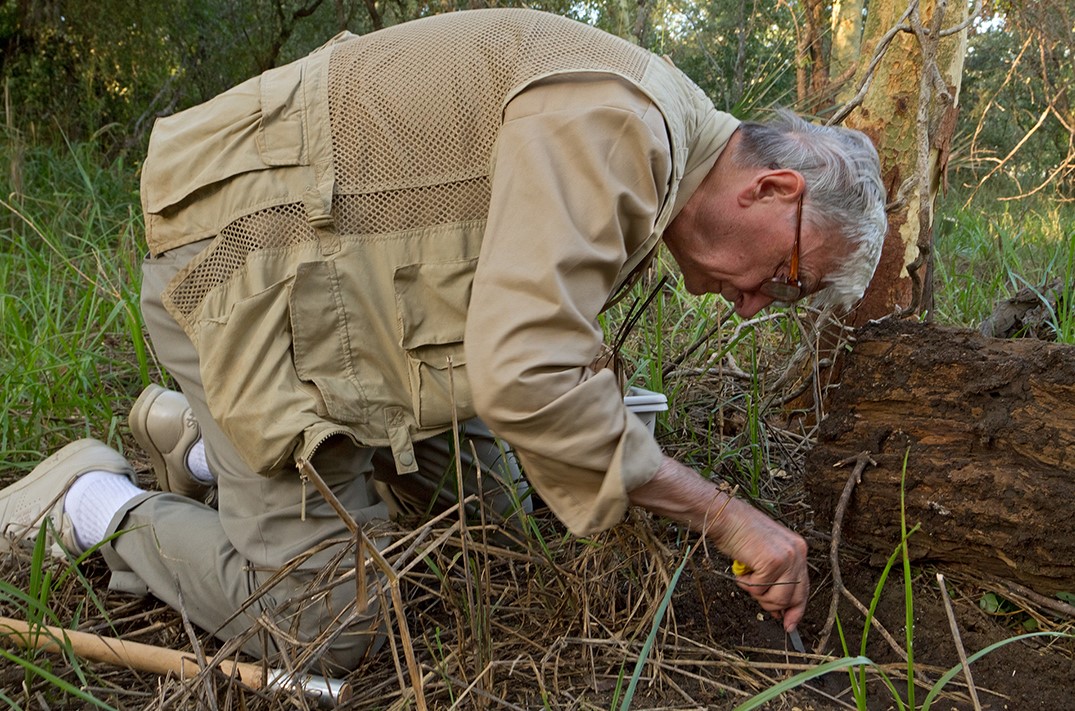
Wilson’s career was a tapestry woven with many titles: the “father of biodiversity,” the “ant man,” and even “Darwin’s heir.”. His expertise in the intricate world of ants was unparalleled, but he could view the entire planet as a cohesive ecosystem that truly set him apart. Sir David Attenborough once described Wilson as a “magic name” in the natural world.
Thanks to E. O. Wilson, Gorongosa and its rich biodiversity emerged as a scientific haven. The BioEx program meticulously documented thousands of species, unveiling discoveries and recording data on species in the IUCN Red List. Dr. Piotr Naskrecki, a steward of Wilson’s vision, guided the research and later, the Half-Earth Fellowships in Taxonomy and Biodiversity Exploration empowered indigenous Mozambicans to delve into taxonomic research.
The E.O. Wilson Biodiversity Laboratory at Gorongosa provides a world-class scientific infrastructure, welcoming local and international scientists and students. Equipped with molecular and chemical ecology labs, synoptic collections, and paleontological facilities, it echoes the grandeur of premier academic institutions.
The Discoveries of E. O. Wilson in Gorongosa
A bio blitz is more than just a scientific activity. It is a celebration of life where every insect, plant, and bird is recorded to reveal the hidden treasures of biodiversity. In Gorongosa National Park, these events took on a magical dimension thanks to Dr. E. O. Wilson. He believed that science should be inclusive, hands-on, and inspiring, which led him to orchestrate bio blitzes involving the people who lived closest to the park: the children. For Wilson, science was not only about research, it was also about creating a deep connection between people and their environment.
A Classroom Without Walls
During these lively biodiversity hunts, local children became explorers in their own backyard. They discovered creatures that adults often overlooked, from colorful beetles to unique plants thriving in Gorongosa’s diverse ecosystems. Each find was celebrated and carefully documented, turning learning into an adventure. These events were more than just educational; they were social gatherings filled with excitement, laughter, and teamwork. Wilson described them as a true classroom without walls, a place where young people experienced the thrill of discovery and began to understand the importance of protecting their natural heritage.
Inspiring the Next Generation of Conservationists
The legacy of Wilson’s bio blitzes in Gorongosa extends far beyond the thrill of exploration. Many of the children who took part are now pursuing careers in conservation, science, and wildlife management. By sparking curiosity at a young age, Wilson planted seeds of passion that continue to grow into dedicated careers. Gorongosa has become a living example of how grassroots education can drive conservation forward. The park is not only restoring ecosystems but also shaping the future stewards of Mozambique’s wilderness, ensuring that the work of protecting biodiversity carries on for generations.

In these bioblitzes, Dr. Wilson personally identified 61 species, some of which were entirely new to science while his young explorers discovered species that had remained hidden. It was a testament to the park’s extraordinary biodiversity and a reminder of how much we have yet to uncover in the natural world – involving our children, the future custodians of the planet’s natural resources!
Gorongosa National Park is home to an astounding 75,000 species of multicellular organisms and as new areas of the park are explored and studied; the complexity of biotic interactions becomes clearer. Dr. Wilson’s expeditions added to this ever-growing catalogue of species and he identified nearly 200 ant species, some of which were previously unknown to science.
Dr. Wilson’s fascination with Gorongosa culminated in his book, “A Window on Eternity: A Biologist’s Walk Through Gorongosa National Park.” In this literary masterpiece, he artfully intertwined his scientific discoveries with the sheer beauty and complexity of the park’s ecosystems.
The Legacy of E. O. Wilson in Gorongosa
Edward O. Wilson’s legacy reaches far beyond the academic halls where he first rose to prominence. Known as a guardian of biodiversity, he devoted his life to protecting the natural world and sharing its wonders with others. His groundbreaking ideas and inspiring leadership in conservation earned him more than 150 international awards, including two Pulitzer Prizes for his books On Human Nature and The Ants. Wilson’s work connected science with society, shaping how we understand ecosystems and why preserving them is vital for humanity’s future.
The Vision of Half-Earth
Among Wilson’s most profound contributions was the concept of “Half-Earth.” This visionary idea proposed that half of the planet’s surface should be set aside for nature in order to preserve biodiversity. It was not a dream of exclusivity but a scientific call to action, supported by evidence that ecosystems need large, connected spaces to thrive. For Wilson, Gorongosa National Park exemplified this principle: a living model of how restored landscapes could safeguard both wildlife and human communities. His vision continues to inspire global conservation movements and policies that protect critical habitats.
The Theory of Island Biogeography
The roots of Half-Earth trace back to Wilson’s collaboration with fellow ecologist Robert MacArthur in the 1950s. Together, they developed the Theory of Island Biogeography, a revolutionary framework that explained how habitat size and isolation influence species diversity. Their research revealed that larger habitats sustain greater biodiversity in a mathematically predictable way. This theory reshaped conservation planning, highlighting the importance of protecting expansive and connected ecosystems. More than seven decades later, it remains central to our understanding of species survival and the design of modern protected areas like Gorongosa.
A Lasting Influence on Gorongosa and Beyond
Wilson’s involvement in Gorongosa symbolized the practical application of his scientific ideas. By combining research with restoration, he demonstrated how science could heal damaged ecosystems and inspire communities to become conservation partners. His legacy lives on not only in Mozambique’s iconic park but also in every protected area worldwide that benefits from his principles. Wilson left behind more than books and theories; he left a roadmap for saving life on Earth, one that continues to guide scientists, educators, and conservationists today.
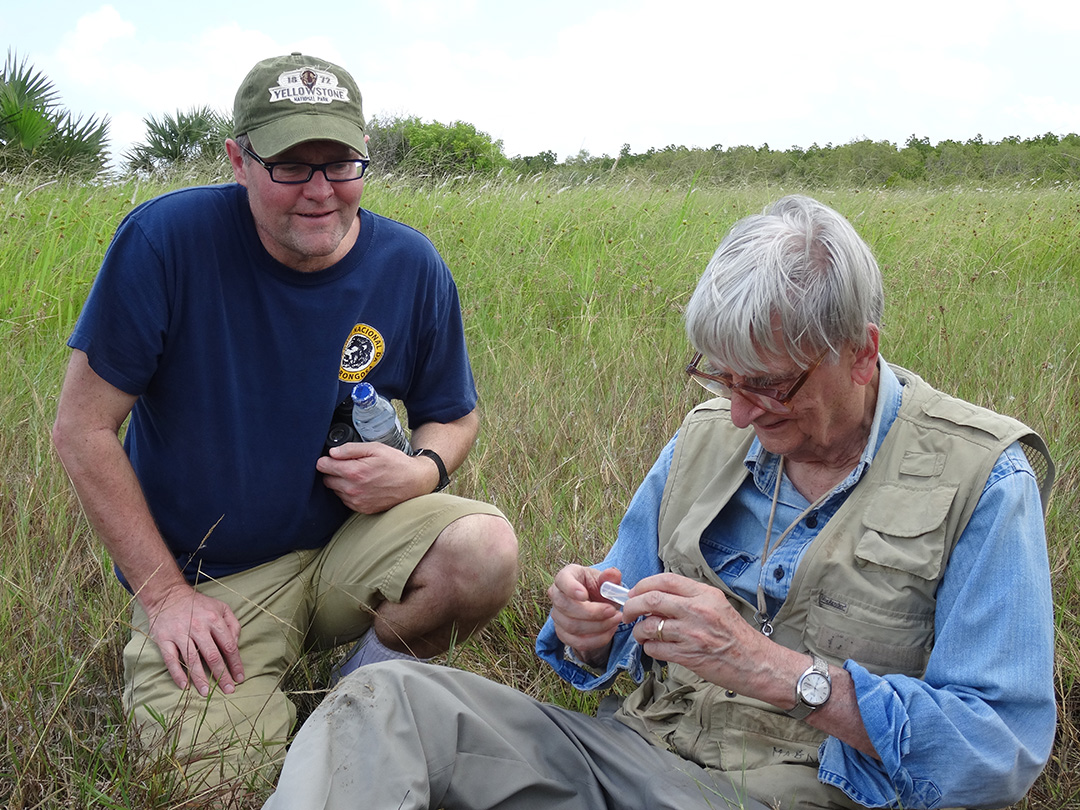
The Half-Earth concept is all written down in a book, Half-Earth – Our Planet’s Fight for Survival in which Edward O. Wilson states that everyone in the world needs to work super-fast to save what is left of our planet’s biodiversity. He argues that if we want to slow down the mass extinction of species, including humanity, we must dedicate half the earth to nature. The problem is way too big to be solved in bits and pieces.
Wilson’s commitment to preserving biodiversity extended to Gorongosa National Park in Mozambique, and he understood that conservation must intertwine with human well-being. The Gorongosa project introduced grants for ranger training, tourism, coffee microenterprises, education, and medical services. These initiatives eased the burden on both wildlife and local communities, resulting in a 72 % reduction in poaching incidents. Gorongosa became a model of how to harmonize ecology with the economy, inspiring conservationists worldwide.
Gorongosa was not just a research hub; it became a symbol of Wilson’s profound legacy. His bioblitzes, and biodiversity hunts conducted with local children, uncovered new species and fostered a deeper connection to nature. Wilson’s last years were marked by a fervent dedication to educating the world about human nature and the imperative of preserving biodiversity. At the age of 82, he journeyed to Gorongosa, shaping the park’s restoration efforts. The E.O. Wilson Biodiversity Laboratory, bearing his name, became a crucible for nurturing Mozambican conservation leaders.
E. O. Wilson and His Contribution to Better Understanding Biodiversity, Insects and Human Nature
In his final years, Ed Wilson advocated for the creation of large sanctuaries on Earth, a plea for safeguarding not only charismatic megafauna but also the tiniest, most obscure species. He envisioned a world filled with “Gorongosas,” sanctuaries that celebrate the intricate tapestry of life.
E.O. Wilson stands as a colossal figure in the realm of biodiversity, insects, and human nature and his life’s work has been an expedition through the enigmatic corridors of the natural world. Wilson’s odyssey began when he was 9 and spent his time outside at a nearby park and river. He devoted his early career to studying ants, uncovering their societies’ intricate dynamics, communication systems, and ecological roles. Wilson’s dedication to understanding ants, often termed the “ant-man,” eventually led to groundbreaking research and made him a world authority on these fascinating insects.
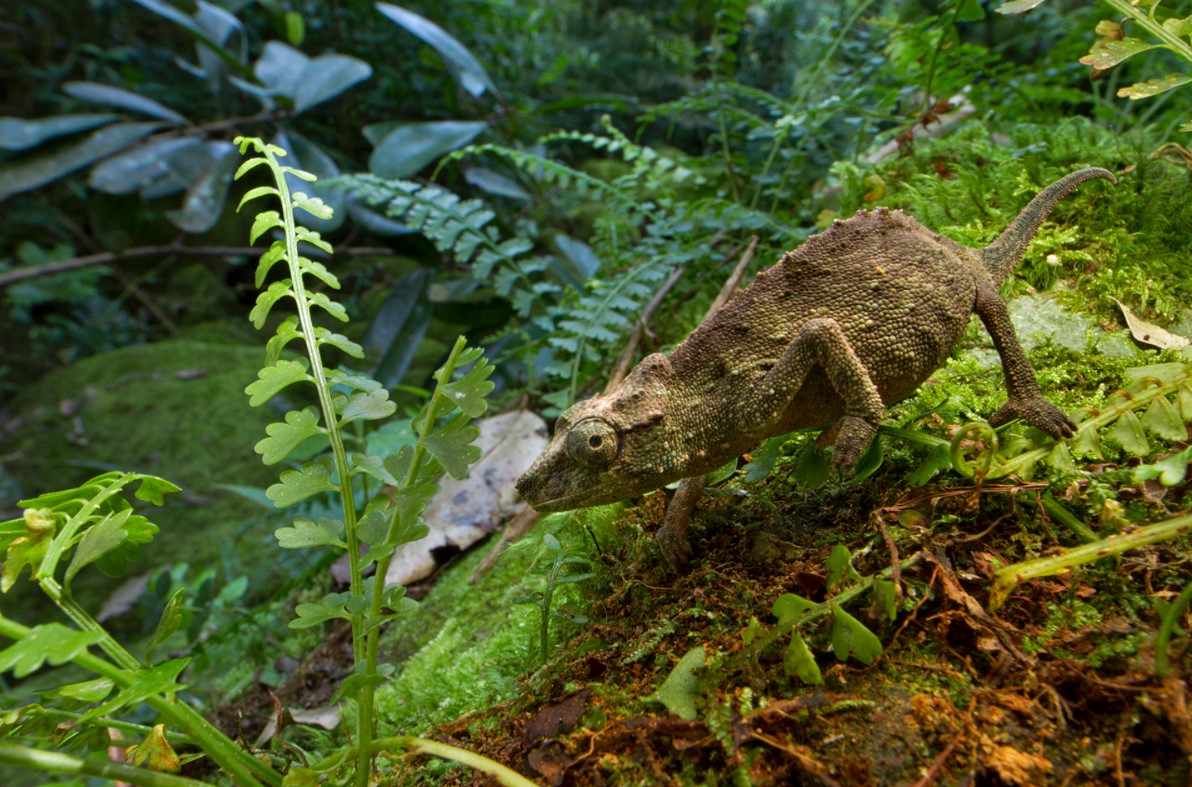
Soon to become a famous biodiversity trailblazer beyond the ant hills, Wilson ventured into the uncharted realms of biodiversity and wrote “The Diversity of Life,” a literary expedition that told the story of life’s evolution on Earth and highlighted the looming threat of large-scale extinctions. He highlighted the urgent need to conserve our planet’s biodiversity.
He journeyed through the intricate realms of sociobiology, unveiling the biological roots of social behaviour in diverse organisms, including people. He argued that our actions, like those of ants, were influenced by heredity, environment, and past experiences—a notion that challenged prevailing ideas about free will. In his later years, he turned the spotlight on biophilia, the innate connection between humans and the natural world. His ideas sparked discussions on the vital importance of preserving this connection for our well-being and the planet’s future.
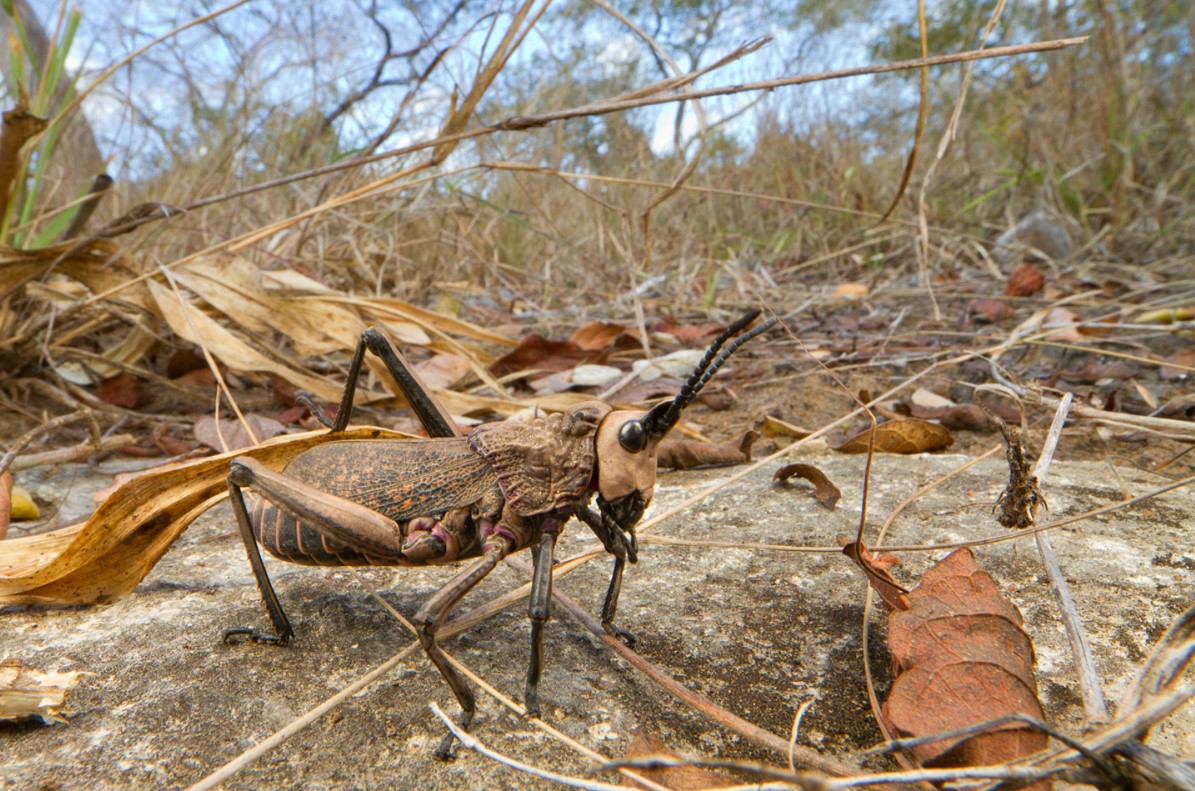
In the end, E.O. Wilson’s legacy transcends the realm of science. It is a testament to a life well-lived, filled with boundless generosity, kindness, and an unwavering passion for Earth’s biodiversity. He may have left this world, but his spirit continues to inspire countless individuals, echoing through the corridors of the E.O. Wilson Laboratory in Gorongosa National Park, a place where the torch of his passion for life on Earth burns bright.
Plan Your Gorongosa Safari with Mozambique Travel
Discover the legacy of E. O. Wilson and experience the living laboratory of Gorongosa National Park with Mozambique Travel, the bush and beach specialists. For over 20 years we have been arranging unforgettable journeys that combine science, conservation, and adventure. A safari to Gorongosa is more than a holiday, it is a chance to witness a remarkable conservation success story while enjoying luxury lodges, game drives, and cultural encounters. Extend your journey with a beach escape to Mozambique’s pristine coast or islands for the ultimate safari and sea experience. Trust our expert team to create your seamless Gorongosa holiday today.