

Flooding Mozambique 2026: EN1 Closures, Xai-Xai Devastation and What It Means for Tourism
The 2026 Mozambique Flood Crisis: Scale, Impact and What It Means Now
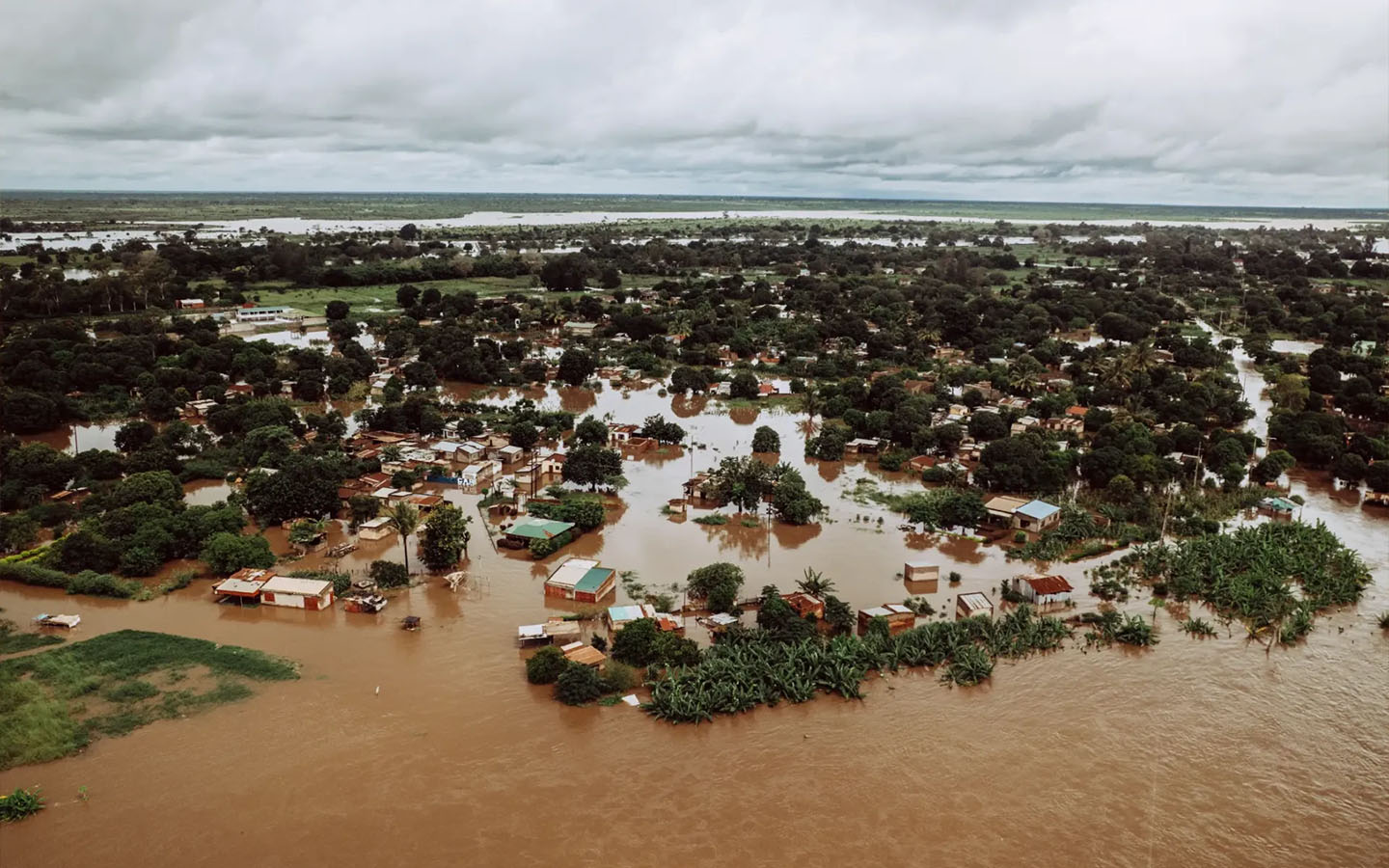
Mozambique is facing one of its most devastating natural disasters in recent memory. Between December 2025 and January 2026, weeks of intense rainfall triggered catastrophic flooding across vast swathes of the country, particularly in southern and central provinces. Entire communities have been swept away by swollen rivers, including the Limpopo and Incomati, with hundreds of thousands displaced, tens of thousands of homes damaged or destroyed, and essential infrastructure crippled. These events come as the region moves deeper into the annual cyclone season, heightening the risk of repeated storms and compounding human suffering.
In this blog we break down the crisis, with a specific focus on Xai-Xai and Gaza Province, the EN1 highway disruption, knock-on effects on tourism and livelihoods, and the growing threat from Tropical Storm Gezani, which may strike Mozambique shortly after sweeping through Madagascar. The story is not only one of raw damage but of social fragility and climate vulnerability in a region repeatedly hit by extreme weather.
The Scale of the 2026 Flood Devastation
Widespread Destruction and Displacement – Mozambique’s National Disasters Management Institute (INGD) and international observers report that the flooding affected between 600 000 and 800 000 people by late January 2026. Rivers overflowed their banks, leaving entire towns submerged and families without shelter. At least 30 000 homes were either destroyed or severely damaged, and authorities warned that these figures may rise as assessments continue.
UN agencies describe scenes of people forced into temporary accommodation centers, often schools and community buildings, without sufficient clean water or sanitation. The risk of waterborne disease has spiked, and food insecurity has risen as crops and livestock were wiped out across flooded farmlands.
Xai-Xai: A City Under Water
Xai-Xai, the capital of Gaza Province, has been among the hardest hit. Floodwaters from the swollen Limpopo River inundated residential neighborhoods and cut off access to basic services. Early government reports noted that tens of thousands were either evacuated or trapped by rising waters, with sanitation systems overwhelmed and clean drinking water scarce.
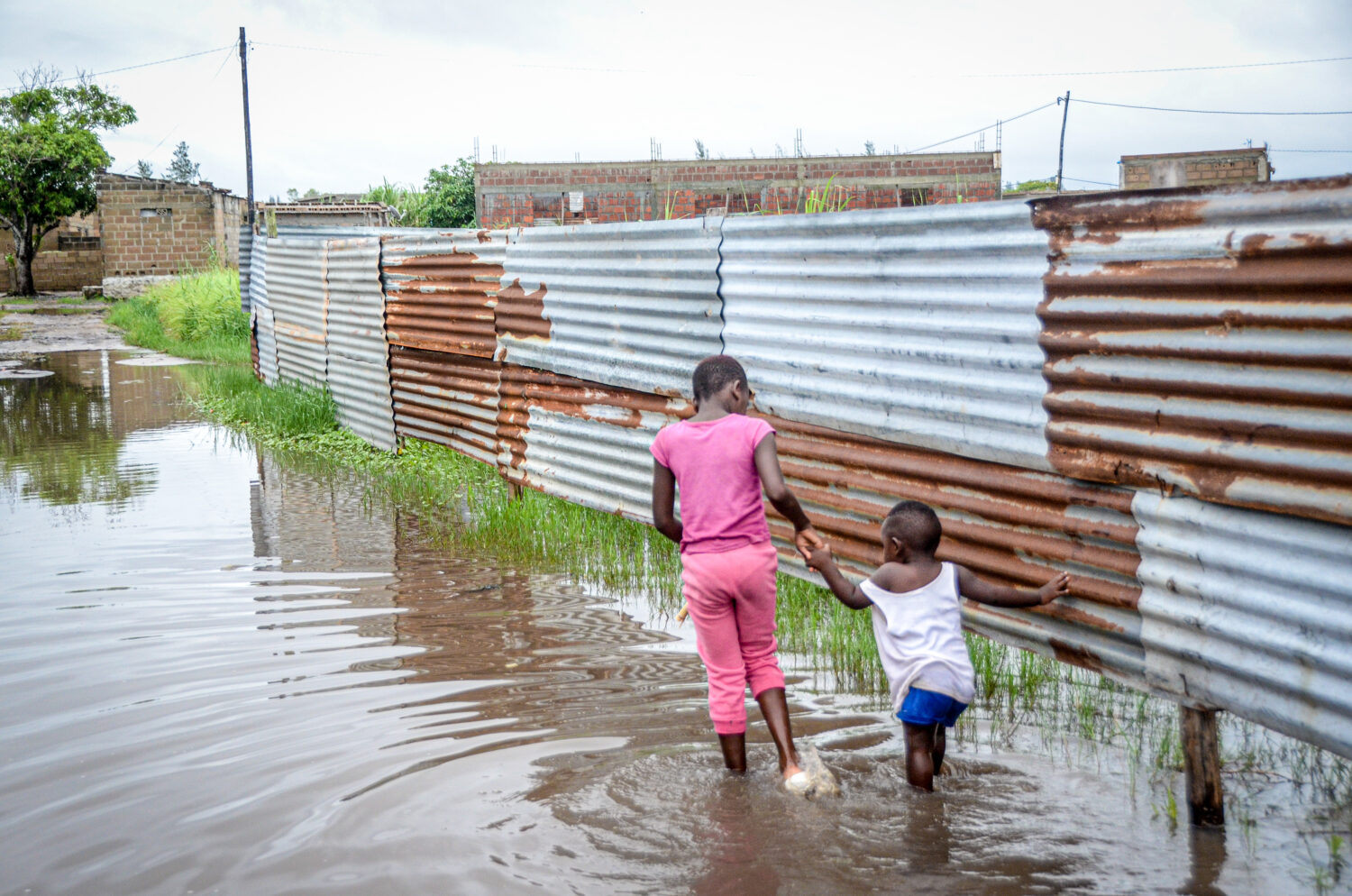
UNICEF warned that children and vulnerable groups face heightened risks including malnutrition, disease outbreaks, and interrupted schooling. Schools that once served as community anchors became emergency shelters, and many now lie surrounded by floodwater themselves.
Broken Roads, Broken Connections: EN1’s Collapse
National Highway 1 (EN1) Severed
The EN1, Mozambique’s main north-south artery, was effectively cut in multiple locations by flood damage. Heavy rainfall eroded sections of the road and washed out bridges. For at least two weeks, the highway between Maputo and Gaza provinces was impassable to regular traffic.
The effects were immediate and far reaching:
- Trade routes disrupted, affecting freight and the delivery of essential goods.
- Tourist travel plans cancelled or rerouted, particularly for visitors travelling by road from South Africa and other neighbouring countries.
- Emergency responders impeded, slowing relief deliveries to cut-off communities.
Alternative engineering responses, including reliance on rail, sea transport, and a temporary bypass strategy, were deployed, but these have not replaced the connectivity that EN1 provided.
Beyond One Highway
It is not just EN1 that was damaged. More than 150 000 km of national roads showed signs of structural failure as localized bridges collapsed and access routes into interior districts vanished beneath water. This has prolonged recovery work and complicated logistics for humanitarian agencies.
The Human Cost: Lives, Livelihoods and Health
Displacement and Emergency Conditions
According to UNHCR, nearly 400 000 people were displaced in the worst-hit regions. Solidarity among communities has been strong, but resources are strained and crisis conditions persist. Many families have lost not only their homes but their means of earning a living.
Networks of temporary camps and shelters have sprung up in flood-free areas. However, these are overcrowded and lack basic sanitation. The combination of unclean water and lack of food has raised alarms about possible disease outbreaks. Health workers warn that cholera, diarrhoea, and other waterborne illnesses could surge without sustained intervention.
Agriculture and Livestock Wiped Out
The food security impact has been profound. Floodwaters inundated hundreds of thousands of hectares of cropland and washed away livestock, critical to rural families’ income and sustenance. Even as waters recede in some areas, fields remain unusable and will require months of rehabilitation before planting can resume.
Tourism in Crisis: Access, Bookings and Operations
Mozambique’s tourism sector, particularly in coastal and resort areas like Macaneta and Xai-Xai, has taken a significant hit. The flooding caused:
- Resorts temporarily cut off due to road damage.
- Cancellations and postponements, particularly from overland visitors reliant on EN1.
- Labor displacement, as service workers are themselves flood survivors without transport.
Officials in the travel industry estimate that tens of millions of dollars have been lost in bookings and operational continuity. While essential services and workplaces have adapted where possible, the sector will need prolonged recovery support to return to pre-flood levels.
Importantly, the supply chain disruption noted earlier also raised prices for basic goods and fuel – factors that discourage tourism and complicate existing travel plans.
Climate Change and Repeat Storm Risks
Mozambique lies in one of the world’s most cyclone-prone regions. The country’s geography, bordering the warm waters of the Mozambique Channel, makes it especially vulnerable to powerful storm systems. Scientific analyses show that climate change increases the atmosphere’s capacity to hold moisture, leading to heavier rainfall events and more intense storms during cyclone seasons. This pattern was evident in 2026’s flooding, which followed an already wet 2025 season, and the threat of back-to-back storms is part of a broader trend linked to global warming.
Rainfall extremes and stronger cyclone thickets are no longer exceptions but risks that communities and planners must contend with. Recurrent high-intensity events erode resilience, drain government resources, and push vulnerable populations into repeated disaster cycles.
Tropical Storm / Cyclone Gezani: A Second Blow?
Mozambique’s recovery from the floods comes amid growing concern over Tropical Storm Gezani, which devastated parts of Madagascar earlier in February 2026, killing dozens and displacing tens of thousands. News agencies report that the storm, currently tracked over the Mozambique Channel, could strengthen into a cyclone again before making landfall along Mozambique’s southern or central coast.
Meteorological projections suggest:
- Gezani may bring heavy rain and violent winds to coastal provinces like Inhambane, Sofala and Gaza.
- Rainfall totals could exceed 200 mm, reigniting flood risks that communities are only beginning to recover from.
- Governments and disaster agencies in Mozambique have issued warnings and preparedness measures due to the storm’s potential intensity.
This rare occurrence of storms striking so close together underscores the growing unpredictability of weather patterns and the increasing likelihood of multiple extreme events in a single season. Residents, tourists, and operators should monitor updates from local authorities and meteorological agencies.
Recovery, Resilience and What Comes Next
Infrastructure Repair
The government has allocated emergency funds to begin reconstructing damaged roads and bridges, including EN1. However, engineers caution that reconstruction must factor in climate-resilient design to withstand future flooding and storm surges.
Community Support
International agencies and NGOs are working to restore safe water and sanitation, rebuild schools and health facilities, and provide food assistance. Climate adaptation programs – such as elevated building designs and improved early warning systems – are now central to longer-term sustainability efforts.
Tourism Rebound Possibilities
For travellers still planning to visit, many coastal resorts and national parks outside the hardest hit areas remain open and operational. Access improvements via air and rail routes are being prioritized where possible, and local operators are beginning outreach to support visitors keen to contribute to local economic recovery.
Key Takeaways
- Mozambique’s 2026 flooding is likely the worst in a generation, affecting hundreds of thousands and causing severe infrastructure damage.
- The city of Xai-Xai and Gaza Province are among the hardest hit, with entire communities displaced and basic services disrupted.
- EN1 highway closures have crippled travel and trade, illustrating how critical infrastructure failure deepens crises.
- Tourism has suffered major disruptions, though recovery and alternative access routes are underway.
- Climate change-related weather patterns are increasing the frequency and intensity of extreme events.
- Tropical Storm/cyclone Gezani threatens to strike as Mozambique is still recovering, highlighting the urgency of resilience and preparedness.
Legitimate Ways to Help Mozambique Flood Victims
When disaster strikes, many people want to help quickly. The most effective aid goes through independent, audited humanitarian organizations that coordinate with on-the-ground partners to ensure donations reach those most in need. Here’s how you can make a difference.
-
Support Emergency Cash Relief: GiveDirectly
GiveDirectly is a reputable nonprofit that delivers unconditional cash transfers directly to disaster-affected families in Mozambique who need food, water, shelter and basic essentials. Cash relief lets families prioritise what they need most while bypassing logistical bottlenecks in crisis zones. GiveDirectly has experience in emergency response and uses financial systems to reach people quickly.
-
Donate to the Mozambique Red Cross / International Red Cross
The International Red Cross and Red Crescent Movement and the Mozambique Red Cross are active in the current 2026 floods, providing emergency relief, evacuation assistance, health support, water and sanitation services, and early recovery help. They are globally recognised and audited partners in disaster response.
-
Give to ActionAid Mozambique’s Flood Response
ActionAid is responding to the 2026 flooding alongside local communities, delivering immediate relief and helping with longer-term resilience efforts. Donating to their flood response works through locally anchored programmes that aim to reduce suffering and support sustainable recovery.
-
AIDGLOBAL Emergency Fund
AIDGLOBAL operates in Mozambique and has opened emergency support to provide basic necessities — food, clothes and medical supplies — especially in low-lying flood-affected districts like Chibuto. Funds are used locally to purchase and deliver aid efficiently.
-
Support International Humanitarian Pooled Funds
The United Nations’ Eastern and Southern Africa Humanitarian Fund and similar pooled funds coordinate multi-agency responses, allowing donors to contribute to a larger shared emergency mechanism. These funds are managed with international oversight and transparency, and help channel resources where they are most urgently needed.
-
Gift of the Givers Foundation (Regional Disaster Relief)
Gift of the Givers is one of Africa’s largest disaster response non-governmental organisations, with decades of experience providing relief in floods and other crises in southern Africa. While not always directly audited in European/US charity registers, it is widely recognised in the region for transparent and large-scale disaster responses, including past flood relief in Mozambique and neighbouring countries.
How to Give Safely
Only donate through official NGO websites (not social-media fundraising pages alone). Look for:
- Verified donor receipts
- Transparent impact reporting and financials
- Established emergency appeal pages
- Coordination with local disaster management authorities
This reduces the risk of fraud or misdirected funds.
Why These Organizations Matter
Flood-affected communities need both immediate aid (food, clean water, shelter) and recovery support (rebuilding homes, restoring livelihoods, health services). Donating to established emergency responders ensures:
- Aid reaches displaced families quickly
- Donations are used where they are most needed
- Coordinated with local and international response systems
Mozambique’s 2026 floods reveal the stark realities of a climate-stressed world where extreme weather events cause cascading impacts on people, infrastructure, tourism and economies. As recovery begins, the threat of another storm in the form of Tropical Storm / Cyclone Gezani looms, testing the resilience of communities and systems still reeling from recent rains. For visitors and locals alike, vigilance, adaptability, and support for resilient reconstruction will be key in shaping how the country navigates this turbulent period.