

Game Fishing in Mozambique: Best Seasons, Species and Destinations for 2026
Fishing Holidays Mozambique
Game fishing in Mozambique is not a trend or a niche pursuit. It is a deeply established practice rooted in geography, ocean currents, and one of the richest marine ecosystems in the Indian Ocean. For more than 10,000 years, coastal communities along this shoreline have relied on the sea, and modern sport fishing has evolved naturally from that legacy. Today, Mozambique is internationally recognised as one of the world’s most reliable destinations for big game fishing, saltwater fly fishing, and pelagic species encounters.
With warm currents flowing south from the equator, deep drop offs close to shore, and an abundance of baitfish, Mozambique delivers consistent fishing conditions across multiple regions and seasons. Unlike destinations where success is limited to a narrow window, fishing in Mozambique is productive year round, with different species peaking at different times. This flexibility is one of the country’s strongest advantages for anglers planning trips around specific fish rather than fixed travel dates.
Why Mozambique Is a Global Game Fishing Destination
Mozambique’s coastline stretches for more than 2,500 kilometres, creating an extraordinary diversity of fishing environments. Deep ocean waters, offshore reefs, channels between islands, and sheltered bays all sit within relatively short distances of each other. This allows anglers to target multiple species during a single trip, often without long travel times or complex logistics.
The Indian Ocean current systems that flow along Mozambique’s coast are rich in nutrients, attracting large schools of baitfish. These, in turn, draw apex predators such as marlin, sailfish, tuna, and giant trevally. The result is a fishery that consistently produces trophy catches while still supporting responsible, sustainable practices such as tag and release.
Another defining factor is access. Many of Mozambique’s top fishing grounds are located close to shore or near island groups, allowing anglers to spend more time fishing and less time transiting. This makes Mozambique especially appealing for combination holidays that include beach stays, island resorts, or safari extensions.

Big Game Fishing in Mozambique
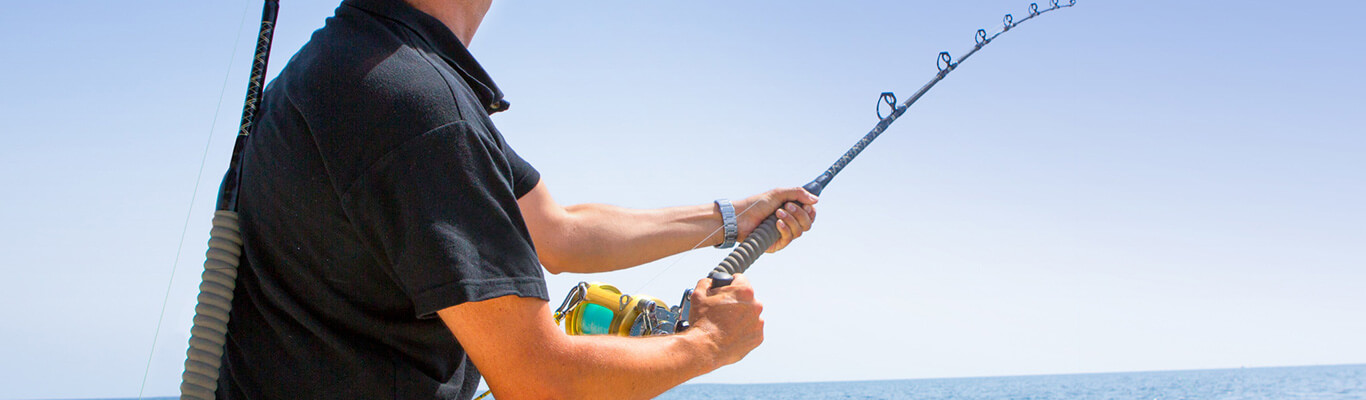
Big game fishing is the cornerstone of Mozambique’s global reputation. The country is particularly famous for its black marlin fishery, with some of the largest specimens in the world recorded in Mozambican waters. Blue marlin, striped marlin, sailfish, wahoo, dorado, yellowfin tuna, and kingfish are also regularly encountered.
The peak season for black marlin runs from October through January, when warm water temperatures and bait concentrations create ideal conditions offshore. During this period, Mozambique consistently attracts serious anglers seeking world class marlin action. Sailfish peak slightly earlier, from June to September, providing excellent opportunities during the dry season.
Most reputable operators follow strict tag and release policies, ensuring the long term health of fish stocks while still delivering high quality sport fishing experiences. Fully equipped boats, experienced skippers, and professional crews are standard in established fishing regions, allowing both seasoned anglers and newcomers to fish with confidence.
Saltwater Fly Fishing in Mozambique
Saltwater fly fishing has grown rapidly in Mozambique over the past decade and is now considered one of the country’s most exciting specialist offerings. Shallow water flats, island channels, and reef edges create ideal conditions for fly anglers targeting powerful species in clear water environments.
Giant trevally are the undisputed stars of Mozambique’s fly fishing scene. Fish exceeding 40 to 50 kilograms are not uncommon, and the challenge of sight casting to GTs in shallow water is regarded by many as the pinnacle of saltwater fly fishing. Other species include queenfish, bluefin trevally, bonefish, and various reef species.
Fly fishing conditions are strongest during periods of calmer seas and clear water, particularly from May through October. Several island lodges and specialist operators offer guided fly fishing experiences with instructors who cater to all levels, from first time saltwater anglers to highly experienced fly fishermen.

Key Fishing Regions in Mozambique
The Bazaruto Archipelago
The Bazaruto Archipelago is one of the most celebrated fishing destinations in the Indian Ocean. Located off the coast of Vilanculos, this protected marine park combines deep ocean access with sheltered island waters, making it suitable for both big game fishing and fly fishing.
Black marlin, sailfish, kingfish, tuna, and wahoo are regularly caught offshore, while the islands themselves offer excellent opportunities for light tackle and fly fishing. The proximity of high end island lodges allows anglers to combine serious fishing with luxury accommodation, spa facilities, and beach time.
Benguerra Island
Benguerra Island is particularly well known for its saltwater fly fishing and light tackle fishing. Shallow channels, sand flats, and reef edges create prime habitat for giant trevally and other predatory species. Several lodges on the island place a strong emphasis on angler support, offering specialist guides, equipment, and tailored fishing schedules.
Fishing here is often combined with snorkeling, diving, and island activities, making Benguerra ideal for mixed interest groups where not everyone fishes every day.
Barra and Inhambane
The Barra Peninsula near Inhambane is a long established fishing hub with easy access and a strong local angling culture. Charter boats operate year round, and the area is a popular venue for fishing competitions. Species diversity is high, and experienced resident skippers understand seasonal movements intimately.
Barra suits anglers who want flexible fishing days combined with relaxed beach accommodation and easy access to mainland services.
The Quirimbas Archipelago
In northern Mozambique, the Quirimbas Archipelago offers a more remote and wilderness focused fishing experience. These islands are less developed, with vast stretches of untouched water and minimal fishing pressure. Black and striped marlin are regularly caught here, along with dogtooth tuna, sailfish, and giant trevally.
Fishing in the Quirimbas is best suited to experienced anglers or those seeking isolation, exploration, and a sense of discovery. Access requires more planning, but the reward is a fishery that feels truly wild.
Vamizi Island
Vamizi Island has earned a reputation as one of Mozambique’s premier specialist fishing destinations. The waters around the island are known for exceptional GT fishing, dogtooth tuna, and strong offshore action. Best fishing conditions typically run from August through February, depending on target species.
Fishing operations here are highly professional, with experienced guides and strict sustainability practices.
Best Time of Year for Fishing in Mozambique
Fishing in Mozambique is productive year round, but species availability shifts with the seasons. October to January is prime time for black marlin and other large pelagics. June to September delivers strong sailfish action and excellent conditions for fly fishing and light tackle. Tuna and kingfish are present across most months, offering reliable opportunities outside peak seasons.
This staggered calendar allows anglers to plan trips around preferred species while still enjoying high success rates.
Responsible Fishing and Conservation
Despite Mozambique’s vast marine territory, only a small percentage of its waters are formally protected. Responsible fishing practices are therefore critical. Many lodges and operators actively support conservation through tag and release programs, data collection, and community engagement.
Travelers are encouraged to fish with operators who prioritize sustainability, respect local regulations, and contribute to marine protection initiatives. These efforts ensure that Mozambique remains a world class fishing destination for future generations.
Planning a Fishing Holiday in Mozambique
Fishing trips in Mozambique can be tailored to suit a wide range of travelers. Options range from dedicated angling expeditions to relaxed beach holidays with a few fishing days built in. Many anglers choose to combine fishing with island stays, diving, spa time, or even safari extensions, creating a balanced itinerary that appeals to both anglers and non anglers.
Working with specialists who understand regional conditions, seasonal patterns, and lodge capabilities is essential to getting the most from a fishing holiday.