

African Wild Dogs and Pangolin Conservation in Gorongosa
African Wild Dogs Return to Gorongosa
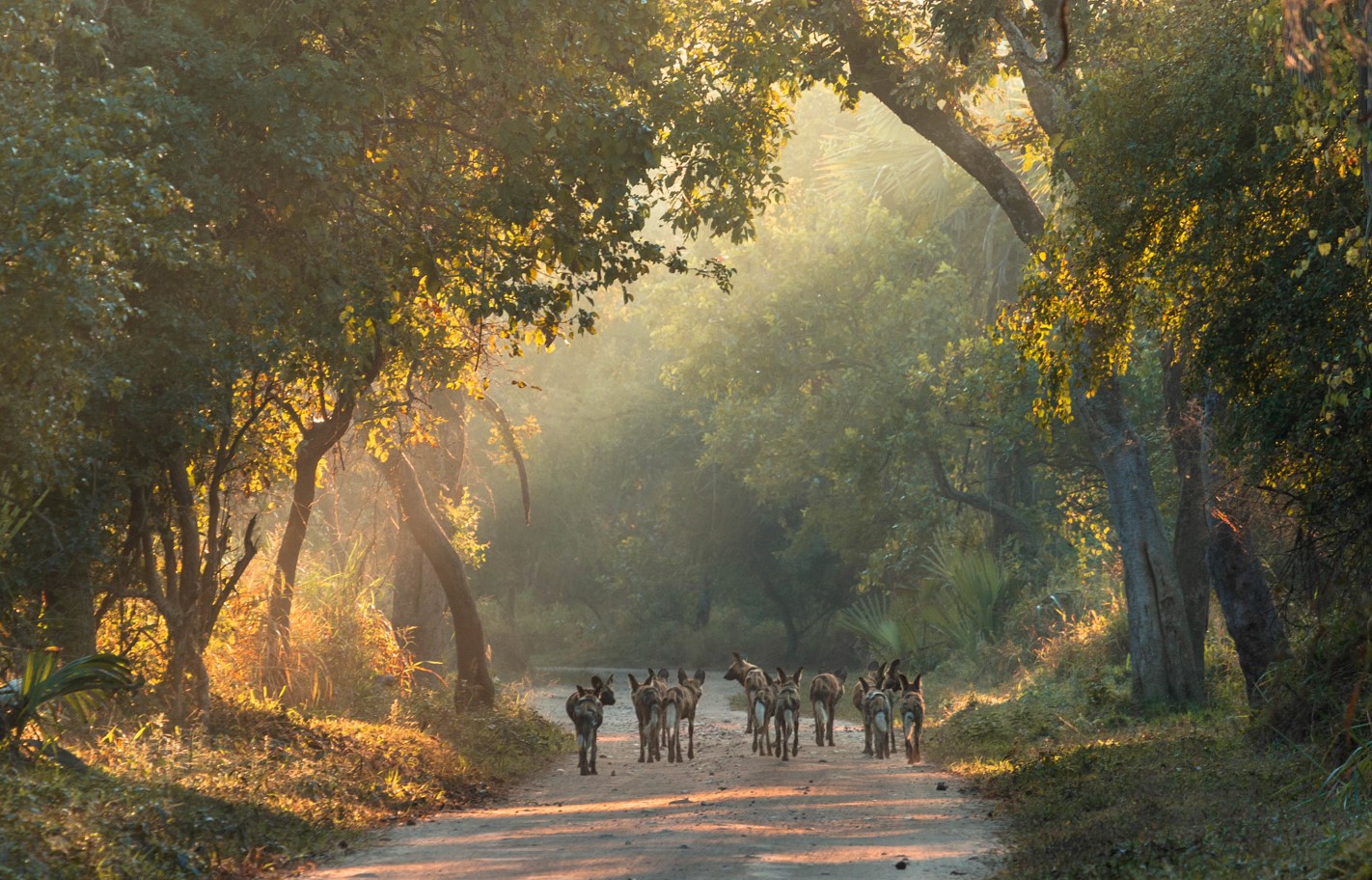
African wild dogs have made a remarkable comeback in Gorongosa National Park thanks to the long standing Gorongosa Restoration Project. Once absent for more than two decades, painted wolves have reclaimed their place in the ecosystem through carefully managed reintroductions, science based monitoring, and increased protection. Their recovery goes hand in hand with another major conservation effort in Gorongosa, the rehabilitation of pangolins, now supported through a dedicated treatment and release centre. With safari interest surging and wildlife tourism fuelling conservation, visitors are witnessing this resurgence in real time.
Gorongosa was once one of Africa’s richest biodiversity hotspots, but years of conflict and heavy poaching devastated wildlife populations. Since early 2000, the park has slowly rebuilt itself on the pillars of conservation science, community partnerships, and sustainable tourism. Wild dogs and pangolins, two of Africa’s most threatened species, now benefit from enhanced ranger patrols, anti trafficking action, and a growing conservation workforce drawn from local communities.
Endangered Status, Threats and Recovery
African wild dogs (Lycaon pictus) remain endangered, with roughly 6,600 individuals left across Africa. Habitat fragmentation, human conflict, and disease continue to challenge their survival. In South Africa, fewer than 600 remain. Gorongosa’s protected wilderness offers the space, prey, and isolation they need, making the park a crucial stronghold in their regional recovery.
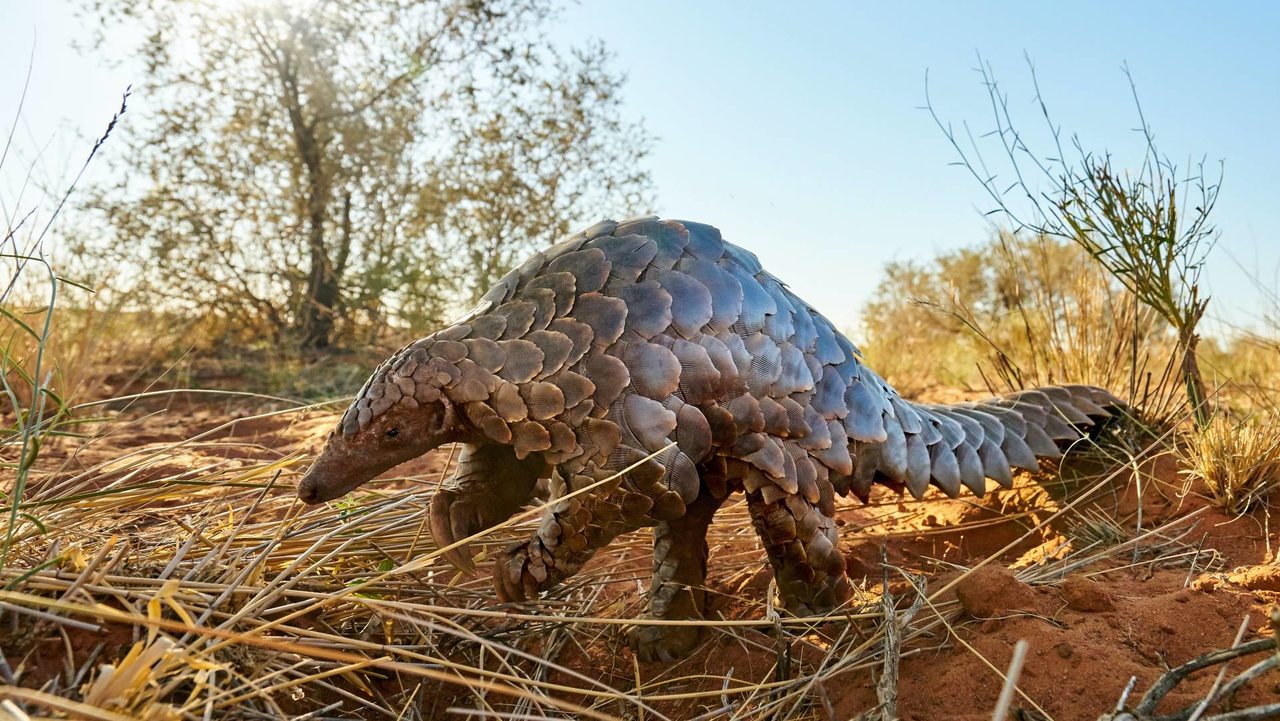
Pangolins fare no better. Globally, all eight species are listed from vulnerable to critically endangered. Four species live in Africa and four in Asia, and all are threatened by poaching, trafficking, habitat loss, and the illegal wildlife trade. African pangolins are particularly vulnerable because they roll into a ball when frightened, making them easy targets. Estimates suggest the equivalent of one pangolin is poached every few minutes globally.
Long Term Restoration and the Return of Key Species
Gorongosa National Park has worked with the Mozambican government for more than two decades to rebuild the reserve to its former pre war richness. Once one of Africa’s most celebrated biodiversity hotspots, the park is now restored through a long term strategy driven by science, conservation, community partnerships, and responsible tourism. Step by step, wildlife translocations, habitat rehabilitation, and strengthened ranger protection have revived the ecosystem, allowing African wild dogs and threatened pangolins to return safely to the habitats they once occupied.
African wild dogs remain endangered on the IUCN Red List, with an estimated 6,600 individuals left across the continent and fewer than 600 in South Africa. These painted wolves face pressure from habitat loss, human conflict, and disease. Pangolins are equally vulnerable. All eight species worldwide range from vulnerable to critically endangered as trafficking, habitat destruction, and illegal trade continue to threaten their survival.
New Updates on Wild Dogs in Gorongosa (2025–2026)
Recent findings show Gorongosa’s wild dog population remains stable, with natural fluctuations. In early 2025, monitoring teams recorded a shift from 253 to 247 individuals, a normal variation influenced by dispersal, natural mortality, and shifting pack dynamics. Importantly, a new pack containing pups was translocated to a safe den inside the park in August 2025 through a partnership between Peace Parks, the Endangered Wildlife Trust, and Mozambique Wildlife Alliance. This marks the next stage of a multi year plan to expand pack ranges and link the park to the wider Gorongosa Marromeu landscape. Watch a YouTube video of the Wild Dogs of Gorongosa here.
In 2026, most packs continue to thrive, with excellent breeding success and natural avoidance of lion territories and human settlements. Wild dogs now occupy significantly more of the park than they did a decade ago and are expected to push further east and north as prey availability increases and as additional habitat corridors are secured.
Reintroductions, Pack Formation and Early Success
The wild dog population disappeared entirely from Gorongosa during Mozambique’s civil war. Reintroduction efforts revived the species in 2018 and 2019 when 30 founder animals were translocated from South African reserves. Scientists discovered that keeping the dogs together in pre release enclosures strengthened social bonds and allowed them to form cohesive packs once released into the wild. Early breeding success was extraordinary, with a 73 percent pup survival rate and more than 50 pups born in 2020 alone.
The park’s management zone now covers the broader Gorongosa Marromeu system, allowing packs to expand into landscapes that can support hunting territories. Genetic diversity is improving naturally as packs interact and split. In another milestone, males born in Gorongosa were successfully moved to Karingani Game Reserve in southern Mozambique to bond with females for a planned cross border expansion into Malawi.
How Gorongosa National Park got its Wild Dog Population Back
African wild dogs vanished from Gorongosa National Park during the Mozambican civil war. By the late 1990s, not a single painted wolf remained. Their comeback began in 2018 when the Endangered Wildlife Trust, the Wild Dog Advisory Group, the Mozambican government, and the Gorongosa Restoration Project launched a major reintroduction effort. The first group included six females and nine males translocated from Phongola Nature Reserve in KwaZulu Natal. A second group arrived a year later from Khamab Kalahari Reserve, strengthening genetic diversity inside the park.

Before release, the dogs were held in bonding enclosures to allow natural pairing. Once freed, they dispersed across the park and formed stable packs. Their first litters had a remarkable 73 percent survival rate, with pups avoiding lion territories and human settlements. This survival is linked to careful management and Gorongosa’s expanding safe habitat. Painted wolves require large, connected landscapes, and habitat loss across Africa remains their biggest threat.
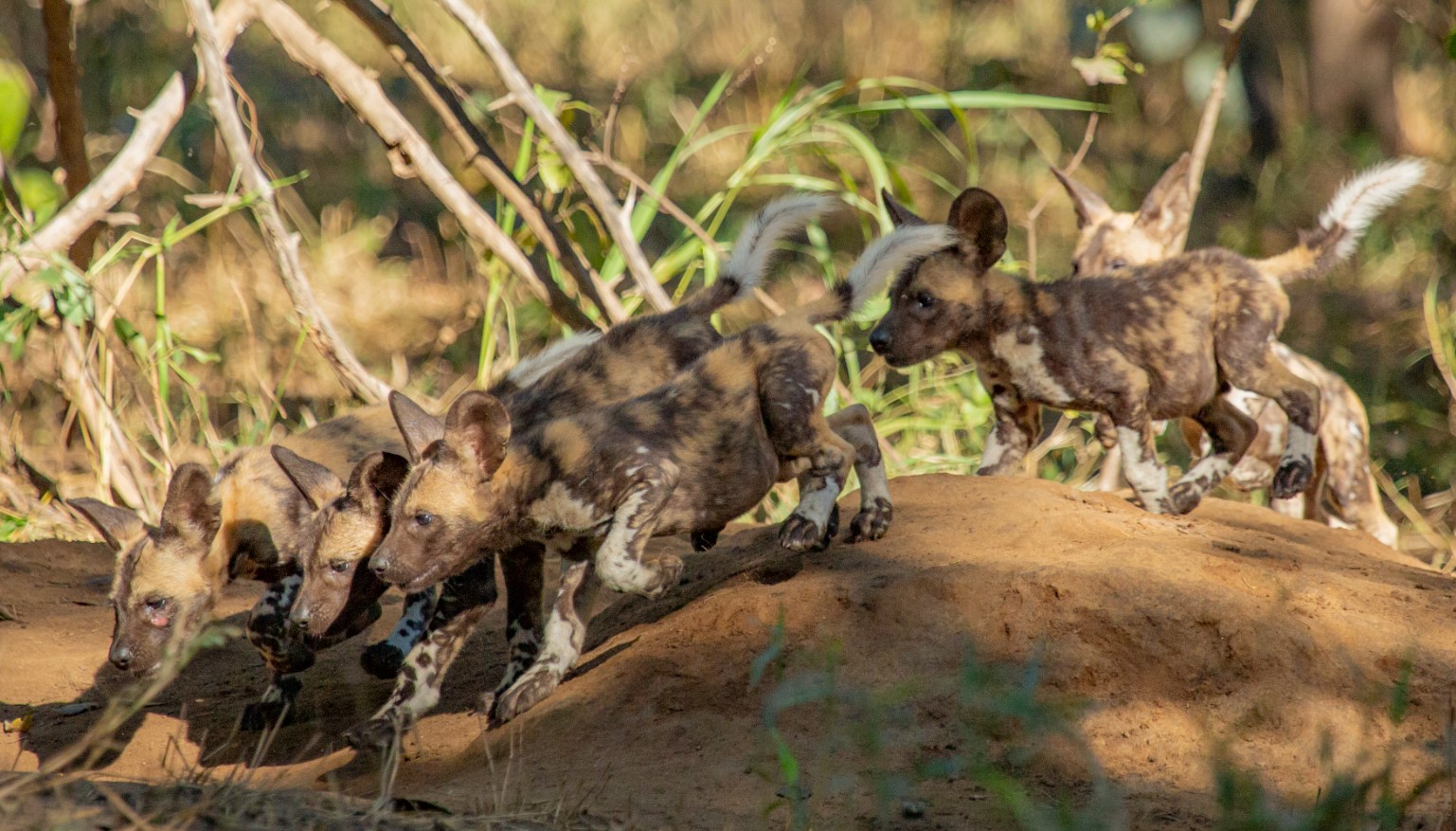
In 2020 alone, fifty pups were born, confirming the success of the reintroduction program. Some of the young males born in Gorongosa were even translocated to Karingani Game Reserve to form new breeding groups, a first for Mozambique and a milestone in regional conservation planning. These partnerships support long term genetic strength and establish new ranges across southern Africa.
Today, Gorongosa’s wild dog population continues to grow and explore new parts of the wider Gorongosa Marromeu landscape. The project has become a model for predator restoration and is one of Africa’s most hopeful carnivore recovery stories.

Pangolins Under Threat – The World’s Most Trafficked Animal
Pangolins Under Threat and the Conservation Response
Pangolins remain the most trafficked mammals in the world. All eight species across Africa and Asia range from vulnerable to critically endangered. Illegal trade for meat and scales has pushed their numbers toward collapse, with an estimated pangolin poached every few minutes. As Asian populations decline, criminal networks increasingly target African species, including those living near Gorongosa.

Pangolins are easily captured because they curl into a ball when threatened. Habitat loss from deforestation adds further pressure. African populations are estimated at around 150,000, although many poaching incidents remain undocumented.
How Gorongosa Rehabilitates and Releases Pangolins
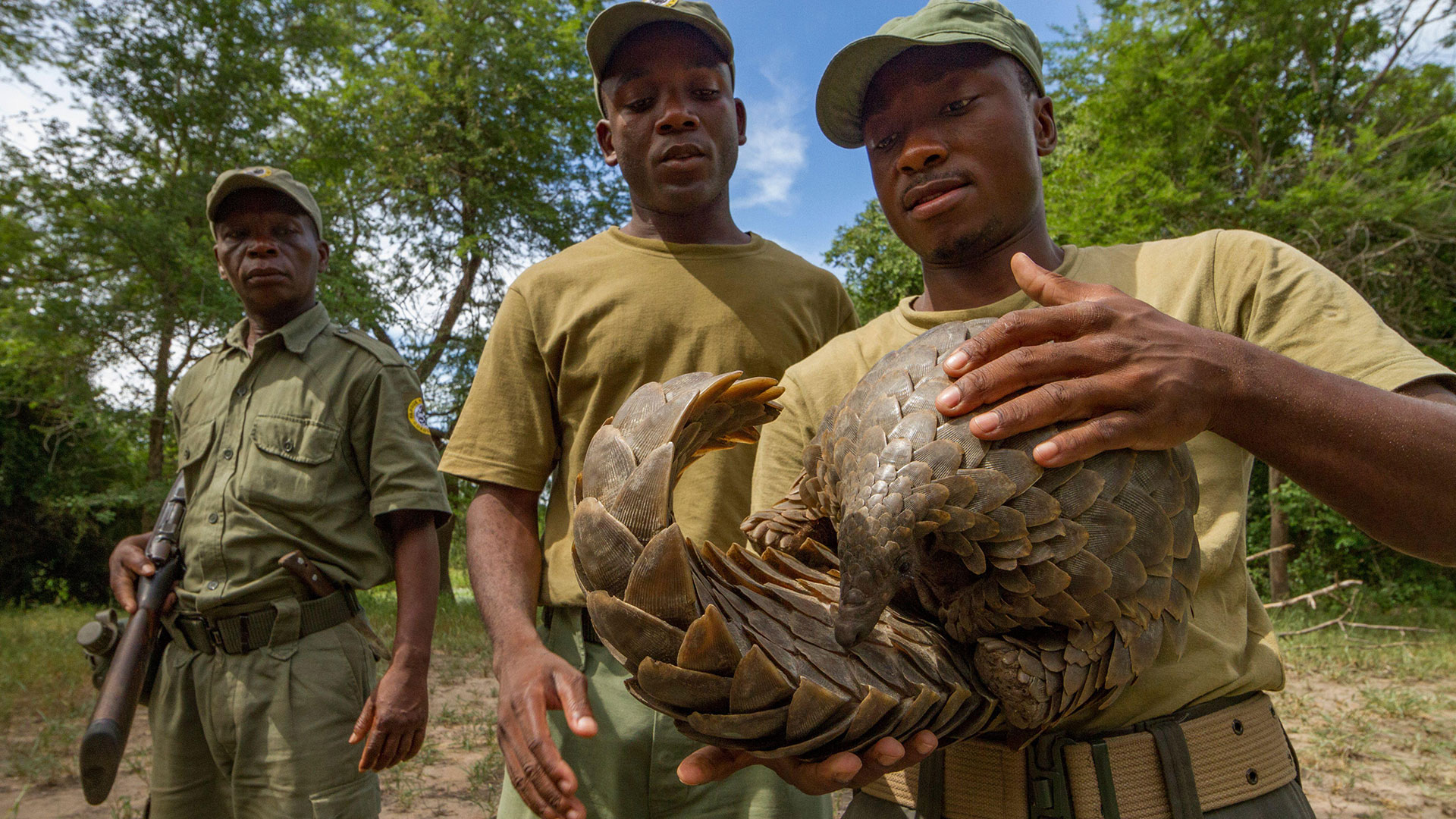
Gorongosa National Park operates Mozambique’s leading pangolin rescue and rehabilitation program at Chitengo. Since 2018, more than 73 pangolins confiscated from traffickers have been treated, rehabilitated, and released. Rangers rescue animals from Sofala and Manica provinces, often intercepting poachers before the pangolins leave the region. By 2024, the number of rescued individuals had surpassed 100.
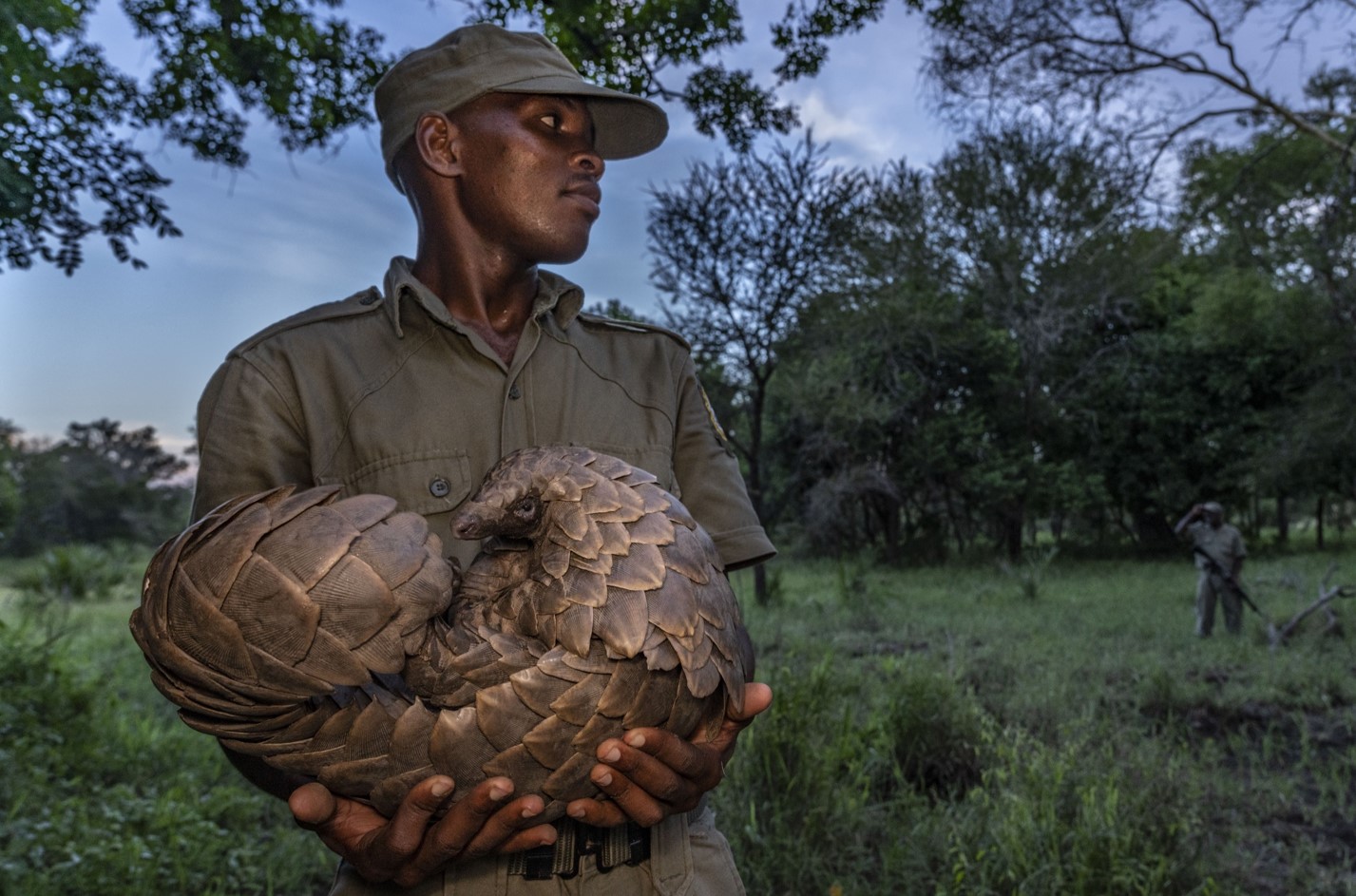
Each pangolin is monitored with satellite tracking to ensure successful reintegration. Rangers patrol vast sections of the park and buffer zone, removing snares and collecting intelligence from communities. Education programs are shifting local attitudes, and poaching around Gorongosa’s borders has dropped by more than half. Reforestation projects around Mount Gorongosa also protect pangolin habitat by restoring forest cover and stabilizing food sources.
Pangolins play an important ecological role by regulating ant and termite populations and helping aerate the soils through their burrowing. Protecting them strengthens the park’s long term ecological balance.
Why Saving Wild Dogs and Pangolins Matters for Gorongosa’s Future
African wild dogs and pangolins are both indicator species. When they thrive, the wider ecosystem benefits. Their recovery reflects the strength of Gorongosa’s conservation model, where community partnerships, science, law enforcement, and tourism all work together. Every traveler who visits Gorongosa directly supports this work, helping fund ranger patrols, rescues, and long term ecological restoration.